
Dental pain has a way of taking over everything. You may start the day thinking it is just sensitivity, then by afternoon you cannot chew, focus, or sleep, and the worry sets in fast. If a tooth breaks, swelling starts, or bleeding will not stop, the problem feels urgent because it is. In those moments, access matters as much as treatment, especially for patients considering dental implants in Maryville, TN. The difference between waiting days and being seen quickly can mean less pain, lower cost, and a better chance of saving the tooth.
4 Ways Dental Centers Improve Access To Emergency Services comes down to a few practical things. Many centers keep same day openings, offer longer hours, use telehealth to screen problems quickly, and bring more services into one place so you do not have to bounce between offices. That structure helps people get care faster when time and pain are both working against them.
Emergency dental care improves when access is built into the system
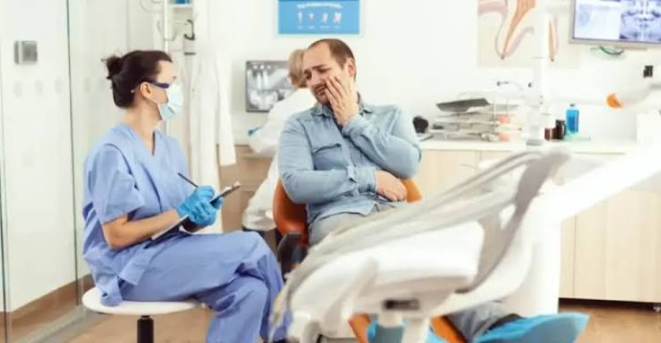
A dental emergency rarely shows up at a convenient time. It happens before work, after school pickup, or late at night when regular offices are closed. If you call a practice and hear the next opening is in six days, your choices get worse by the hour. You might go to an emergency room that can help with pain or infection concerns but may not provide the dental procedure you actually need. Data from the CDC shows that emergency department use remains common across the country, which helps explain why better access to timely dental care matters so much.
Dental centers improve this by planning for urgency instead of treating it like a disruption. They often reserve blocks for same day visits, which means a knocked out filling, cracked crown, or sudden abscess has a place to go. That sounds simple, but it changes the whole experience. You are not spending the day calling office after office while your face swells and the pain gets sharper.
Extended evening and weekend hours also close a common gap. Many people delay care because taking time off work means lost pay, child care problems, or both. When a dental center stays open beyond the standard workday, urgent care becomes more realistic. You can be seen before the problem grows into something harder and more expensive to treat.
This is where access to emergency dental services becomes more than a slogan. It is scheduling, staffing, and hours designed around the way real emergencies happen.
See also: The Appeal of Leather Backpacks for Contemporary Lifestyles
Telehealth and triage help patients get emergency dental care faster
Not every urgent dental problem needs the same response, and that uncertainty causes delays. You may be staring at a swollen gum or chipped tooth, trying to decide if you should wait, call, or head out immediately. Telehealth can shorten that gap. The federal telehealth resource from HHS explains how patients can use telehealth for dental care, including screening symptoms, reviewing next steps, and deciding how quickly an in person visit is needed.
That kind of triage helps in two ways. First, it gives you direction when you are stressed and not thinking clearly. Second, it helps the dental center prepare before you arrive. If the team already knows you have trauma, infection, or uncontrolled bleeding, they can move faster and line up the right provider, imaging, or treatment room.
Telehealth does not replace hands on dentistry for emergencies that need procedures. It does make the path to treatment shorter. For a parent with a child who chipped a front tooth at practice, or an adult with sudden severe pain and swelling, that first point of contact can prevent hours of guessing.
Dental centers reduce delays by offering more services in one place
Urgent dental problems are harder when care is scattered. One office handles exams, another does imaging, another manages oral surgery, and none of them can see you today. That fragmented setup costs time, and time matters when infection is spreading or a broken tooth can still be saved.
Many dental centers improve access by keeping multiple services under one roof. Exams, digital X rays, restorative care, extractions, endodontic treatment, and follow up can happen in a more connected way. The National Institute of Dental and Craniofacial Research outlines broad oral health challenges and gaps in care in its report on oral health in America. One clear takeaway is that access improves when care is easier to reach and easier to navigate.
If you come in with a deep cavity that has turned into severe pain, an integrated dental center can often move from diagnosis to treatment without sending you across town. That lowers the odds that you put off care because the logistics feel impossible. It also supports urgent dental services that are actually usable for people with work schedules, family demands, or transportation limits.
Practical differences between limited access and a full service dental center
| Access Factor | Limited Access Setting | Dental Center Approach |
|---|---|---|
| Appointment availability | Next opening may be several days away | Same day or reserved urgent slots are often available |
| Hours | Weekday business hours only | Evening or weekend care may be offered |
| First contact | Voicemail or delayed callback | Faster triage through phone or telehealth screening |
| Services on site | Referral to outside imaging or specialists | Exam, imaging, and treatment often coordinated in one place |
| Patient burden | More travel, more waiting, more uncertainty | Fewer handoffs and a clearer treatment path |
The root issue is not just whether a clinic treats emergencies. It is whether the setup makes emergency treatment reachable when you are in pain, short on time, and trying to avoid a problem that keeps getting worse.
Three steps you can take before a dental emergency gets worse
Call as soon as symptoms change. Do not wait for severe swelling, fever, or unbearable pain. A cracked tooth, lost filling, gum swelling, or sudden sensitivity after trauma can turn quickly. Early contact gives you more treatment options.
Use telehealth or phone triage when you are unsure. If you cannot tell whether the issue is urgent, ask. A quick screening can help you decide if you need immediate care, pain management guidance, or the next available visit.
Choose a dental center before you need one. Look for same day appointments, extended hours, and on site imaging or emergency treatment. When pain hits, having a plan saves time you will not want to spend searching.
Better emergency dental access means less waiting and less damage
When a dental emergency starts, your first thought is usually pain, but the second is often logistics. Who can see you today, how far do you need to travel, and will you be sent somewhere else after you arrive? Dental centers improve access by removing those barriers. Faster scheduling, stronger triage, longer hours, and connected services all make urgent care easier to reach when you need it most.
If you are dealing with sudden tooth pain, swelling, trauma, or bleeding, do not put it off. Reach out to a dental center and ask about emergency availability today.