Newsletter Subscribe
Enter your email address below and subscribe to our newsletter

 ByJohn A
Buying a home in Rockford, Illinois, involves more than finding a property within your preferred price range. Buyers also need to consider neighborhood characteristics, property condition, commuting needs, taxes, insurance, future maintenance, and current market conditions. A home that looks attractive online may have very different long-term costs from another property with a similar asking price.
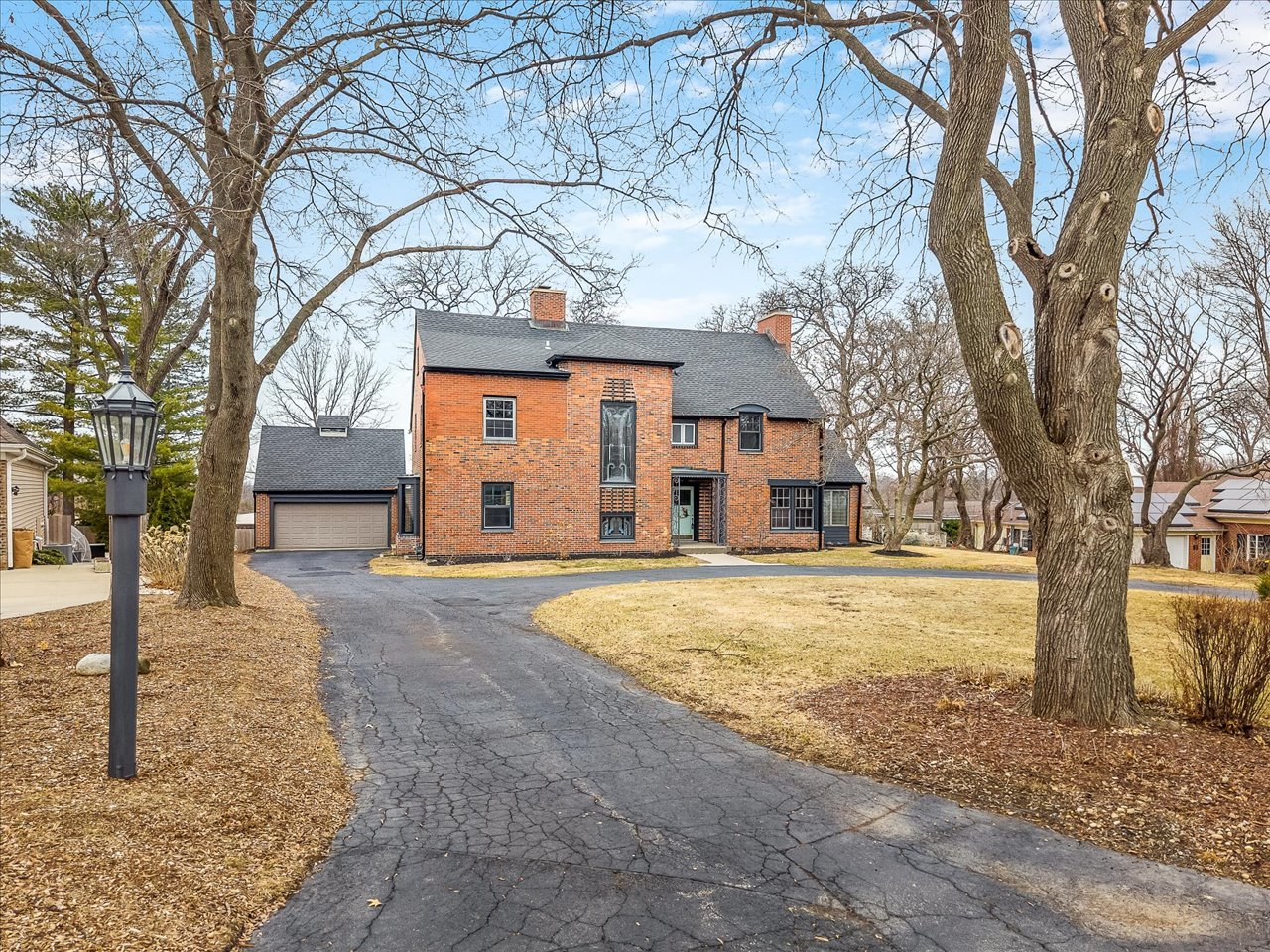
For buyers researching rockford il homes for sale, having access to current listings and useful property information can make the initial search more focused. Rockford offers a broad selection of properties, including traditional single-family houses, townhomes, condominiums, and homes with larger lots.
A practical buying strategy starts with defining your budget and priorities, then comparing properties based on more than their listing photos or asking prices.
Rockford has a varied housing stock and a range of residential areas, giving buyers different options based on budget, lifestyle, and property preferences. The city can also appeal to buyers who want more space while remaining within reach of employment centers and regional transportation routes.
Affordability is one of the factors that can make Rockford attractive to homebuyers. Housing costs can differ considerably across Illinois, so buyers should compare actual property prices, taxes, insurance, and expected maintenance rather than relying on a statewide average.
The purchase price is only one part of affordability. A realistic budget should account for the down payment, mortgage payment, property taxes, homeowners insurance, utilities, maintenance, and potential repairs.
Buyers should also leave room in their budget for unexpected expenses. An older property may have a lower asking price but require more investment after purchase.
The Rockford housing market includes different property styles and sizes. Single-family homes may appeal to buyers who want private outdoor space, while condos and townhomes can provide alternatives for people who prefer less exterior maintenance.
Property age is another factor to consider. Older houses may offer distinctive architectural features and established landscaping, while newer properties may provide updated systems, modern layouts, and newer building materials.
The right property type depends on how the home will be used, how much maintenance the buyer is prepared to handle, and the available budget.
A property’s location can influence everyday convenience as much as its physical features. Buyers should consider travel time to work, access to major roads, nearby shopping, healthcare facilities, parks, restaurants, and other services.
Rockford IL neighborhoods can have different characteristics, so buyers should research the immediate area rather than judging a property only by its citywide location.
Housing conditions can change as inventory, buyer demand, mortgage rates, and local economic factors shift. Buyers should therefore evaluate listings using current information rather than relying solely on older market reports.
The number and type of homes available can affect how much choice buyers have during their search. Higher inventory may provide more opportunities to compare properties, while limited inventory can create greater competition for desirable homes.
Price should also be evaluated in relation to comparable properties. Two houses with similar asking prices may differ significantly in lot size, condition, renovations, location, and other characteristics.
Looking at several comparable listings can help buyers establish a more realistic sense of what their budget can purchase.
Market conditions influence how buyers approach negotiations. A property that has recently entered the market may attract different levels of interest from one that has been available for an extended period.
Buyers should pay attention to listing history, price changes, time on market, and comparable sales where available. These details can provide useful context before deciding how much to offer.
Mortgage rates also affect purchasing power. A change in borrowing costs can alter monthly payments even when the home’s purchase price remains unchanged.
A focused search should include several market indicators:
Monitoring these factors helps buyers distinguish between a property that simply looks affordable and one that fits their overall financial plan.
A neighborhood should be assessed according to the buyer’s daily needs, not just its general reputation. Location, services, schools, transportation, and surrounding properties can all affect the suitability and long-term appeal of a home.
Commute time can have a major impact on day-to-day life. Buyers should map typical routes to workplaces, schools, family members, and frequently visited services.
Access to major roads and public transportation may also matter depending on where a buyer works or studies. A slightly less expensive property can become less appealing if its location creates significantly higher transportation costs or longer travel times.
Families with children may place schools high on their list of priorities. Buyers should research school boundaries and current information independently because boundaries and policies can change.
Other amenities deserve attention as well. Parks, libraries, healthcare facilities, grocery stores, recreation areas, and dining options can affect the convenience of a neighborhood.
Buyers should also visit an area at different times of day when possible. Traffic, noise, parking, and general activity can vary considerably between daytime and evening hours.
A property’s condition can significantly change its actual cost. Buyers should inspect the roof, plumbing, electrical systems, heating and cooling equipment, windows, foundation, drainage, and other major components.
Renovation potential should be considered carefully. Cosmetic improvements are different from major structural or mechanical work. Buyers should understand which updates are desirable and which repairs may require substantial expenditure.
Once a buyer finds a suitable property, the next step is determining whether the asking price and condition make financial sense.
Comparable properties provide useful context for evaluating an asking price. Buyers should look for homes with similar locations, sizes, bedroom and bathroom counts, property types, lot characteristics, and overall condition.
Recent sales can be particularly useful because they show what buyers have actually paid rather than what sellers are currently asking.
A single comparison is rarely enough. Reviewing multiple properties can provide a broader range and reveal whether a listing is priced competitively.
Property records can reveal information that is not obvious from a listing. Buyers should review available sales history, tax information, additions, renovations, and permits where applicable.
Unpermitted work can create complications after purchase, particularly when major structural or electrical changes are involved. Buyers should ask appropriate questions and have relevant concerns reviewed by qualified professionals.
The purchase price should be combined with ongoing ownership expenses before making an offer. These can include:
This calculation gives buyers a clearer picture of whether a property remains affordable after closing.
Digital real estate tools can help buyers organize a search and review properties more efficiently. The value comes from having useful information available while comparing multiple options.
MLS data can help buyers identify properties that match specific criteria, including location, price, property type, bedrooms, bathrooms, and other features.
A structured search can reduce the time spent reviewing unsuitable listings. Buyers can also monitor new properties as they enter the market rather than repeatedly searching from scratch.
Price changes can provide additional context when evaluating a property. A reduction does not automatically mean a home is a bargain, but it can prompt buyers to investigate the reason for the change.
New listings can also move quickly in competitive segments. Setting appropriate search criteria and monitoring updates can help buyers respond when a suitable property becomes available.
IvyGro combines technology-driven property search and analysis with support from licensed real estate professionals. This type of approach can help buyers use digital tools for research while still having professional assistance available for questions, negotiations, and the transaction process.
Visit IvyGro to explore available real estate search options and property information.
Technology can organize information, but buyers still need to verify important property details, review contractual documents, complete appropriate inspections, and seek qualified professional advice where necessary.
There is no single price that accurately represents every Rockford property. Home values vary according to location, size, condition, property type, renovations, lot characteristics, and current market conditions. Buyers should compare current listings and recent comparable sales for a more useful estimate.
Rockford can offer first-time buyers a variety of property types and price points. The suitability of a particular home depends on the buyer’s budget, financing, preferred location, commute, and expected maintenance costs.
Compare properties based on asking price, recent comparable sales, condition, location, taxes, insurance, size, lot characteristics, renovations, and likely maintenance costs. Looking beyond photographs and asking prices can prevent costly surprises.
Using an online property search with appropriate filters can make it easier to monitor new listings. Buyers can narrow searches by price, property type, location, bedrooms, bathrooms, and other criteria, then review new properties as they become available.
Plan for the down payment, mortgage costs, property taxes, homeowners insurance, inspection expenses, closing costs, utilities, maintenance, repairs, and future improvements. The exact amount will depend on the property and financing arrangements.
Finding a suitable home in Rockford requires a balance between price, location, property condition, and long-term affordability. Buyers who compare several properties, examine relevant records, understand current market conditions, and calculate ownership costs are better positioned to make an informed purchase.
A well-organized search can also make the process easier. Current listings, property data, digital search tools, and professional guidance can help narrow the choices without losing sight of the factors that matter after the purchase.
For questions about available properties or assistance with the home-buying process, contact the team to discuss your requirements.