Newsletter Subscribe
Enter your email address below and subscribe to our newsletter

 ByJohn A
Rugs collect more than visible dirt. Dust, food particles, pet hair, moisture and everyday foot traffic can gradually affect their appearance and texture. Regular vacuuming helps with surface debris, but many rugs need deeper cleaning from time to time. Choosing local rug cleaning services can make it easier to arrange suitable care based on the rug’s material, construction and condition.
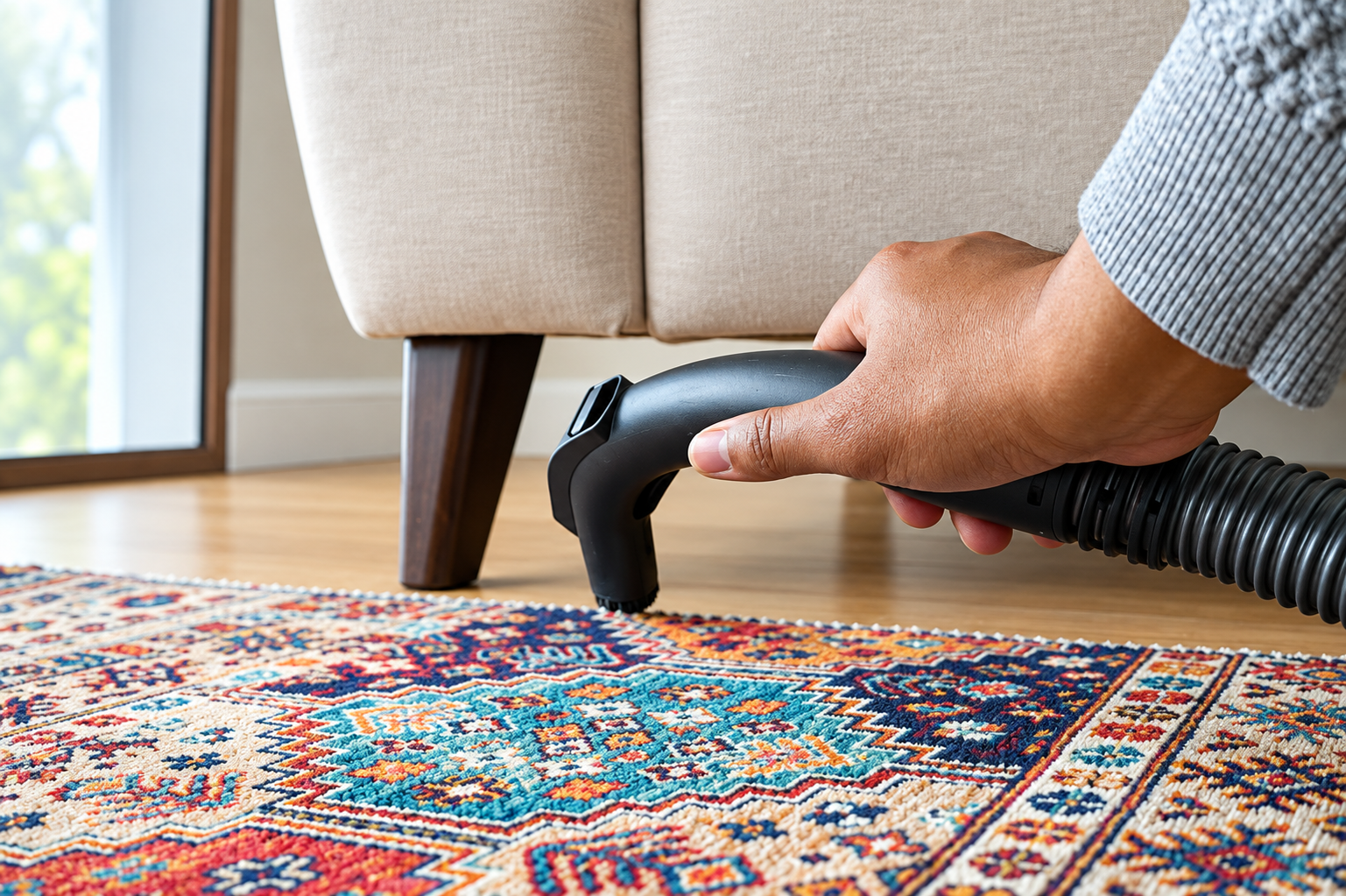
Vacuuming removes loose particles from the upper layers of a rug, but it does not always reach embedded soil. Over time, accumulated debris can make fibres look dull and feel rough. Spills can also leave behind stains or odours if they are not treated correctly.
The cleaning method should depend on the rug rather than using one process for every item. Wool, cotton, silk, synthetic fibres and handmade rugs can respond differently to water, heat and cleaning products.
A professional assessment can help identify the fibre type, colour stability and construction before cleaning begins. This reduces the risk of using a method that could cause unnecessary damage.
See also: What Should You Know Before Buying a Home in Rockford, IL?
Material is one of the first details to consider before arranging a deep clean.
Wool rugs are durable but can react poorly to excessive moisture or aggressive chemicals. They generally require controlled cleaning and careful drying.
Cotton rugs may tolerate certain washing methods, although colour bleeding and shrinkage can still be concerns depending on construction.
Synthetic rugs, including those made from polypropylene or polyester, are often more resistant to stains and moisture. Even so, the correct cleaning procedure still depends on the specific product.
Silk and delicate handmade rugs require particular care. Strong agitation, high temperatures or unsuitable detergents can affect fibres and dyes.
Reading the manufacturer’s care instructions, when available, provides useful information before professional cleaning is scheduled.
Professional rug cleaning services may involve several stages rather than simply applying a cleaning product to the surface.
The process can begin with an inspection to identify stains, wear, loose fibres and areas that require special treatment. Dry soil may then be removed before a suitable cleaning method is selected.
Stain treatment is another important stage. Different marks require different approaches. Grease, coffee, wine, mud and pet-related stains do not necessarily respond to the same product.
After cleaning, proper drying is essential. A rug that remains damp for too long may develop unpleasant odours or other problems. Professional cleaners generally consider airflow, moisture levels and the rug’s construction when determining how it should dry.
Searching online for area rug cleaning services near me can produce many options, but proximity should not be the only consideration.
Start by checking whether a provider has experience with the type of rug you own. A cleaner who mainly handles synthetic household rugs may not be the right choice for an antique, hand-knotted or delicate piece.
Look at the company’s service information and determine whether inspection, stain treatment and appropriate drying are included. Reviews can also provide insight into customer experiences, although individual reviews should be considered alongside the company’s stated practices.
It can also be useful to ask about the cleaning process before booking. Questions about moisture levels, detergents, drying arrangements and treatment of delicate fibres can help you understand what will happen to the rug.
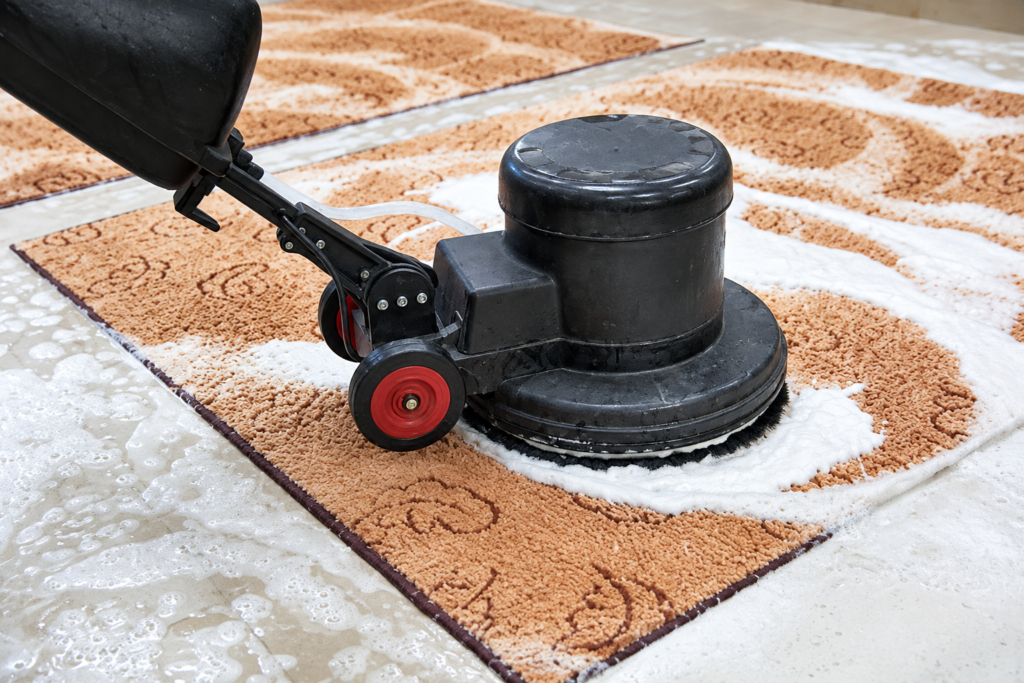
A rug does not necessarily need deep cleaning every time it looks slightly dusty. Certain signs, however, suggest that routine maintenance may no longer be enough.
Persistent odours are one example. If vacuuming does not remove the smell, contaminants may have accumulated deeper within the fibres.
Visible staining is another reason to consider professional treatment. Older stains can become harder to remove over time, particularly after repeated exposure to unsuitable household cleaning products.
You may also notice that the rug has lost its original colour or texture. Heavy foot traffic can push soil deeper into the pile, creating areas that appear darker or flattened.
Water damage should receive prompt attention as well. Rugs exposed to leaks or flooding can require specialised cleaning and drying to reduce the risk of long-term problems.
Before handing over a valuable or delicate rug, ask the cleaner a few practical questions.
Find out whether they identify the fibre and construction before choosing a cleaning method. Ask how they handle colour testing and stain treatment. You can also ask about drying arrangements and whether the rug is cleaned at your property or taken to another facility.
If the rug is antique, handmade or particularly valuable, mention this before the appointment. Such information can influence the cleaning process.
A reliable rug cleaning company should be able to explain its process in clear terms rather than making broad promises about every type of rug receiving the same treatment.
A small amount of preparation can help the cleaning process.
Remove furniture and other objects from the rug where practical. Pick up loose items from the surrounding area and tell the cleaner about any previous stain treatments.
Avoid repeatedly applying household products to difficult stains. Some chemicals can alter dyes or leave residues that affect later professional treatment.
If a spill has just occurred, gently blot excess liquid with a clean absorbent cloth rather than scrubbing aggressively. Rubbing can spread the substance and push it deeper into the fibres.
For valuable rugs, photographs taken before cleaning can also provide a useful record of their condition.
There is no universal schedule that suits every household. Cleaning frequency depends on foot traffic, pets, children, indoor conditions, rug material and the rug’s location.
A rug in a busy hallway may require attention more often than one placed in a guest room. Homes with pets may also need more frequent cleaning because hair, dander and outdoor debris can accumulate quickly.
Routine vacuuming remains useful between professional appointments. Rotating the rug periodically can help distribute foot traffic more evenly and reduce uneven wear.
Price is only one part of the decision. The cleaning method, experience with particular materials, stain-treatment practices and drying arrangements can all affect the outcome.
Searches for rug cleaning services near me can help identify nearby providers, but compare their services before making a booking. Look for clear information about rug inspection and care rather than selecting a company solely because it appears near the top of a search result.
A suitable cleaning service should understand that rugs differ in fibre, construction, age and condition. That knowledge allows the cleaning process to be adjusted to the item instead of treating every rug identically.
Good rug maintenance combines regular household care with professional attention when deeper cleaning is needed. Understanding your rug’s material and asking practical questions before booking can help protect its appearance and condition for longer.