Newsletter Subscribe
Enter your email address below and subscribe to our newsletter

 ByJohn A
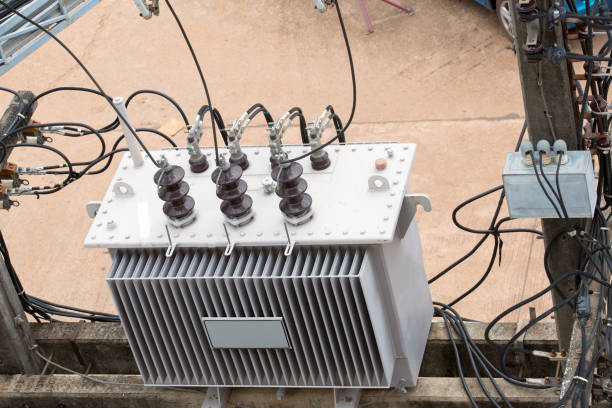
A transformer is an essential component of many electrical distribution systems, helping convert voltage levels so that power can be safely and efficiently supplied to connected equipment. Among the different transformer capacities available, a 15 kVA single phase transformer is commonly considered for smaller commercial facilities, residential applications, control systems, machinery, and other installations requiring moderate electrical capacity.
When purchasing a transformer, price is naturally an important consideration. However, the 15 kVA single phase transformer price can vary significantly depending on its voltage rating, construction, efficiency, insulation, cooling method, manufacturer, accessories, and installation requirements. Focusing only on the initial purchase cost may result in choosing equipment that is not suitable for the intended application.
This guide explains the major factors that influence transformer pricing and provides practical considerations for selecting the right 15 kVA single-phase unit.
A 15 kVA single phase transformer is an electrical device designed to transfer alternating-current electrical energy from one circuit to another while changing the voltage level. The transformer can be designed as either a step-up or step-down unit depending on the requirements of the electrical system.
The 15 kVA designation represents the transformer’s apparent power capacity. It is important to remember that kVA and kW are not necessarily the same. The amount of real power a transformer can deliver depends partly on the load’s power factor.
See also: Discover First Home Owner Grant Perth Benefits for Your New Home
The kVA rating indicates how much apparent power the transformer is designed to handle under specified operating conditions. For example, a 15 kVA transformer operating with a load at a power factor of 0.8 would correspond to approximately 12 kW of real power.
However, this simple calculation should not be used as the only basis for transformer selection. Actual operating capacity depends on the manufacturer’s specifications, ambient temperature, load characteristics, duty cycle, and installation conditions.
Voltage configuration is one of the most important factors when comparing a 15 kVA single phase transformer price. A transformer may have different primary and secondary voltage combinations depending on where and how it will be used.
Before requesting a quotation, buyers should identify:
A 15 kVA rating by itself does not provide enough information to select a compatible transformer.
Transformer pricing is influenced by several technical and commercial factors. Two transformers with the same kVA rating may have substantially different prices because they use different materials, designs, efficiency levels, or protection features.
The physical construction of a transformer affects both manufacturing cost and performance. Core material, winding material, insulation system, enclosure design, and cooling method can all influence the final price.
Copper-wound transformers, for example, may have different material costs from units using aluminum windings. The best choice depends on the application’s electrical, thermal, size, and budget requirements.
Efficiency is another factor to consider when evaluating transformer cost. A transformer experiences losses during operation, primarily through core and winding losses.
A higher-efficiency transformer may have a higher purchase price but can potentially reduce energy losses over its operating life. For equipment expected to operate continuously or for many years, evaluating total operating costs rather than purchase price alone can be useful.
The transformer type can have a significant effect on price and installation requirements.
Dry-type transformers use air or another suitable solid insulation system rather than liquid insulation. They are commonly used in indoor or other applications where this configuration is appropriate.
Oil-filled transformers use insulating liquid for electrical insulation and heat transfer. They may be selected for certain outdoor, utility, or distribution applications.
The appropriate type depends on the installation environment, electrical requirements, maintenance considerations, and applicable regulations.
When comparing prices from different suppliers, it is important to make sure that quotations are based on equivalent specifications.
A low-priced transformer may not necessarily represent the best value if important specifications or accessories are missing.
When comparing quotations, check:
Comparing products on the same specification makes it easier to determine whether differences in price are justified.
The purchase price is only one component of the overall cost of owning a transformer.
Other expenses can include transportation, installation, electrical protection, testing, maintenance, energy losses, and eventual replacement.
A transformer with a lower initial cost but higher operating losses could potentially cost more over its service life than a more efficient unit.
Depending on the application, additional features may influence the final price of a 15 kVA transformer.
Some transformers include taps that allow the output voltage to be adjusted within a specified range. This can be useful where supply voltage fluctuations need to be accommodated.
The number and type of taps vary between transformer designs and can affect manufacturing complexity and cost.
Transformers may require different enclosure types depending on the installation environment. Indoor applications may have different requirements from outdoor installations.
An enclosure may also need to provide protection against dust, moisture, accidental contact, or other environmental conditions.
Larger or specialized installations may require additional monitoring and protection equipment. Depending on the design, this can include temperature monitoring, circuit protection, grounding provisions, or other accessories.
These features can increase the overall project cost but may be necessary for a particular installation.
Selecting a transformer should begin with the electrical requirements rather than the available budget alone.
Start by determining the equipment that will be powered by the transformer. Identify the rated power requirements and consider which loads may operate simultaneously.
It is also important to consider motor starting currents, inrush currents, future expansion, and the characteristics of electronic equipment.
A qualified electrical professional can help determine whether 15 kVA provides sufficient capacity or whether a different rating would be more appropriate.
The location where the transformer will be installed can influence the appropriate design.
Consider factors such as:
These factors can affect both the transformer specification and total installation cost.
The quoted transformer price may not include every expense associated with putting the equipment into service.
Transformers can be heavy and require appropriate handling equipment. Transportation costs may vary depending on the supplier’s location, delivery distance, transformer construction, and packaging requirements.
Installation may involve mounting, wiring, grounding, protective devices, testing, and commissioning. These tasks should be performed by qualified electrical professionals according to applicable codes and manufacturer instructions.
Maintenance requirements vary according to transformer type and application. Routine inspections can help identify loose connections, overheating, corrosion, insulation problems, or other developing issues.
Following the manufacturer’s maintenance recommendations can help support reliable operation over the transformer’s service life.
Before purchasing a 15 kVA single phase transformer, buyers should request a detailed technical quotation rather than asking only for the lowest price.
Useful questions include:
Getting clear answers to these questions can make price comparisons more meaningful.
The 15 kVA single phase transformer price depends on much more than the transformer’s power rating. Voltage configuration, winding materials, core construction, efficiency, insulation, cooling method, enclosure, accessories, manufacturer, and installation requirements can all influence the final cost.
When selecting a transformer, buyers should first establish their electrical requirements and then compare products based on equivalent specifications. Considering efficiency and long-term operating expenses can also provide a more accurate picture of overall value.
A 15 kVA transformer can be an effective solution for applications requiring moderate single-phase power capacity, provided the unit is correctly sized and matched to the electrical system. By evaluating both purchase price and total cost of ownership, buyers can make a more informed decision and select equipment designed to provide reliable performance for years to come.