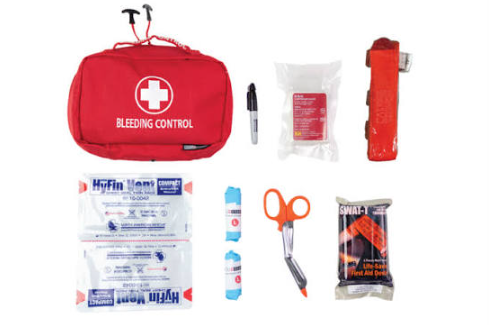

Serious bleeding can develop within seconds after an accident, workplace injury, outdoor incident, or traumatic event. Having the right medical supplies available can help trained responders begin appropriate care while emergency services are on the way. A well-planned bleeding-control kit should contain dependable products, clear instructions, and equipment suited to the environments where it will be used.
For emergency teams, first-aid trainers, medical distributors, and organizations responsible for workplace safety, selecting supplies involves more than comparing prices. Product quality, packaging integrity, storage conditions, ease of identification, and training requirements all deserve attention.
Why Bleeding-Control Preparedness Matters
Severe external bleeding is a time-sensitive emergency. A prepared response can help reduce delays between recognizing an injury and beginning appropriate first aid. Kits may be needed in industrial workplaces, emergency vehicles, training facilities, outdoor operations, and other locations where immediate access to professional medical care may be limited.
Preparedness starts with assessing the likely hazards. A warehouse may need supplies suitable for machinery-related injuries, while a remote outdoor team may prioritize compact equipment that can withstand transport and changing weather conditions. The contents should reflect the risks rather than follow a one-size-fits-all list.
Understanding Hemostatic Dressings
Hemostatic dressings are designed to support blood clotting at an injury site. Some products contain active materials that help promote clot formation when applied according to their instructions. Kaolin-based dressings are one category used in certain emergency bleeding-control products.
A kaolin hemostatic gauze may be considered for emergency kits where the product’s approved intended use, packaging, and user training are appropriate for the expected application. It is important to understand that not all gauzes are hemostatic, and ordinary gauze should not automatically be treated as equivalent to a specialized dressing.
Before purchasing, check the manufacturer’s instructions, product labeling, expiration date, storage requirements, and applicable regulatory information. Buyers should also confirm whether the dressing is intended for wound packing, surface application, or another specific use.
Choosing Supplies for Different Environments
An effective kit should be practical for the people who may need to use it. Consider the following factors when evaluating equipment:
Product identification
Packaging should make the product and its intended use easy to identify. Clear labeling can help reduce confusion when several dressings or emergency tools are stored together.
See also: The Appeal of Leather Backpacks for Contemporary Lifestyles
Packaging and durability
Sterile products should remain sealed until use. Inspect packaging for damage and follow the manufacturer’s storage instructions. Products carried in vehicles or outdoor packs may experience temperature changes, moisture, and repeated handling.
Training and accessibility
Supplies are most useful when responders know where they are stored and understand their limitations. Training should explain how to recognize a life-threatening emergency, activate emergency services, use approved equipment, and monitor the injured person while waiting for professional help.
Inventory management
Organizations should maintain a routine for checking stock, expiry dates, packaging integrity, and replenishment. Assigning responsibility to a designated team member can help prevent expired or missing supplies from going unnoticed.
Evaluating Manufacturers and Suppliers
Institutional buyers should review more than a product description. A dependable supplier should provide consistent product identification, accurate specifications, traceable batches where applicable, and clear instructions for storage and use.
Ask whether products are manufactured under a documented quality-management system and whether relevant conformity or regulatory documentation is available for the intended market. Confirm minimum order quantities, lead times, shipping conditions, and procedures for reporting damaged or nonconforming goods.
For larger purchases, sample evaluation and documentation review may help purchasing teams compare options before committing to a bulk order. Avoid making selection decisions based solely on promotional language or unverified performance claims.
Integrating Products Into Emergency Procedures
Equipment should support a broader emergency plan rather than replace it. Organizations should establish a process for contacting emergency services, assigning responsibilities, guiding responders to the incident location, and documenting supply use.
When a person experiences life-threatening bleeding, call local emergency services promptly. Follow recognized first-aid training and the instructions supplied with the medical product. Do not delay emergency care while searching for specialized equipment.
Regular drills can help identify problems such as inaccessible kits, unclear labels, missing supplies, or uncertainty about who should contact emergency services. After each drill or real incident, review what worked and what needs improvement.
FAQs
1. What is the difference between ordinary gauze and a hemostatic dressing?
Ordinary gauze is generally used to absorb blood and support pressure. A hemostatic dressing contains or uses materials intended to help promote clotting. The products are not automatically interchangeable, so follow the labeling and training requirements for each item.
2. How often should an emergency bleeding-control kit be checked?
The inspection schedule should follow organizational policy and product instructions. Checks should include stock levels, expiration dates, packaging integrity, and whether the kit remains accessible.
3. Does owning emergency medical supplies replace first-aid training?
No. Equipment is only one part of preparedness. Appropriate training helps people recognize emergencies, use supplies correctly, contact emergency services, and avoid actions outside their competence.
Conclusion
A reliable bleeding-control kit combines suitable products, intact packaging, organized storage, trained users, and a clear emergency response plan. Organizations should evaluate medical supplies using documented specifications and intended use rather than marketing claims alone. Regular inspections and practical training help ensure that equipment is ready when an emergency occurs.