Newsletter Subscribe
Enter your email address below and subscribe to our newsletter

 ByJohn A
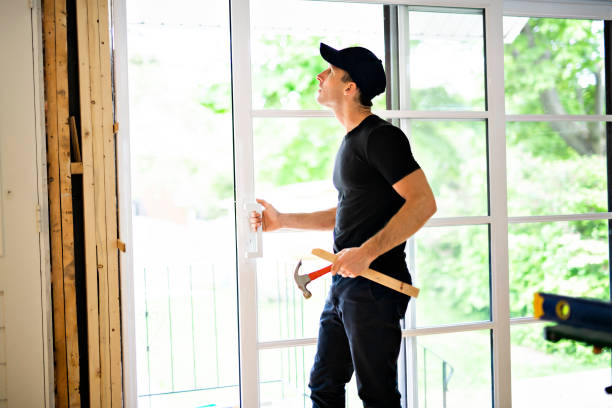
Doors and windows play an important role in a home’s security, comfort, ventilation, and energy efficiency. Over time, everyday use, weather exposure, moisture, and general wear can affect their condition. Knowing the warning signs can help homeowners address problems before they become more expensive or disruptive.
Doors and windows repair necessary when you notice difficulty opening or closing them, visible damage, drafts, moisture, or unusual noises. Identifying these issues early can help maintain the performance and appearance of your home.
One of the clearest signs that doors or windows need attention is when they no longer operate smoothly.
See also: Dental Implants Centers: Understanding the Treatment Process
A door may begin sticking because of changes in the frame, swelling caused by moisture, loose hinges, or normal movement in the building. A door that requires excessive force to open or close should not be ignored.
Continued use can place additional stress on hinges, handles, locks, and the frame. A repair may involve adjusting the hinges, correcting alignment, or addressing damage to the frame.
Windows should generally open and close without excessive effort. If a window becomes difficult to move, the problem could involve damaged hardware, a distorted frame, worn tracks, or accumulated dirt.
Repairing the underlying issue can restore normal operation and reduce the risk of further damage.
Physical damage is another important reason to consider repairs.
Door frames can develop cracks, splits, gaps, or other signs of deterioration. Damage may result from impact, moisture, ageing, or repeated use.
A damaged frame can affect the way a door closes and may also create gaps around the edges. Depending on the extent of the damage, repairs may involve replacing damaged sections or reinforcing the frame.
Window frames can also deteriorate over time. Cracks or distortion may affect the window’s ability to close properly and maintain a good seal.
Visible damage should be assessed rather than covered up, particularly when it affects the structural integrity or operation of the window.
Feeling unwanted air movement around closed doors or windows can indicate a problem with the seals or alignment.
Small gaps can develop between a frame and the surrounding wall or between the door or window and its frame. These gaps can allow outside air to enter and conditioned indoor air to escape.
A damaged seal, worn weatherstripping, or poor alignment may be responsible. Addressing these issues can help improve indoor comfort and reduce unnecessary energy loss.
If certain areas of a room feel noticeably colder or warmer than others, doors and windows may be contributing to the problem. While temperature differences can have several causes, poorly sealed openings are worth checking.
Moisture around doors and windows should be treated as an important warning sign.
Staining around a window or door frame may indicate water entering through damaged seals, gaps, flashing, or surrounding materials. Even a small leak can cause problems if it continues over time.
Water stains should be investigated to identify the source rather than simply painted over.
Moisture can cause timber and other materials to deteriorate. Soft sections around frames, peeling finishes, mould growth, or persistent dampness may indicate an underlying moisture issue.
Prompt attention can help prevent the affected area from becoming more extensively damaged.
Condensation on the inside surface of glass can sometimes occur naturally due to differences in temperature and humidity. However, condensation that appears between sealed panes of insulating glass can indicate a failure of the sealed unit.
Sealed window units are designed to provide insulation between panes of glass. When the seal fails, moisture can enter the space between the panes.
This may result in a cloudy or foggy appearance that cannot be wiped away from either side. Depending on the window design and extent of the issue, repairing or replacing the affected component may be necessary.
Handles, hinges, locks, latches, rollers, and other hardware experience frequent use and can eventually wear out.
A loose handle or lock can make a door or window difficult to operate. More importantly, damaged locking hardware can affect security.
Loose components may sometimes be adjusted or tightened, while severely worn hardware may need replacement.
Hinges can become noisy, loose, or misaligned. Sliding windows and doors may also develop problems when rollers become worn or damaged.
Replacing appropriate hardware can sometimes restore smooth operation without requiring replacement of the entire door or window.
Unexpected sounds can provide an early indication of a developing problem.
Squeaking may be associated with hinges or moving components that require adjustment or lubrication. Grinding or scraping sounds may indicate that parts are rubbing together because of misalignment or wear.
The cause should be identified before applying a temporary solution, as continued friction can increase component damage.
A door or window that rattles when exposed to wind may not be sealing correctly. Loose hardware, worn seals, gaps, or poor alignment can contribute to the problem.
Doors and windows help create a barrier between the interior of a home and the outdoor environment. If outside sounds suddenly become more noticeable, it may indicate a change in the condition of the opening.
Gaps around frames, damaged weatherstripping, cracked glazing, or loose components can reduce the ability of a door or window to block outside noise.
While repair may not eliminate all external sounds, correcting gaps and damaged components can improve the overall performance of the opening.
A lock that no longer works correctly should receive prompt attention.
A door or window may become misaligned as frames shift or hardware wears. This can prevent the locking mechanism from engaging correctly.
Forcing a lock into position can damage both the locking mechanism and the surrounding frame. Adjusting the alignment or repairing damaged hardware may resolve the issue.
A door or window that cannot close and lock properly can create an avoidable security concern. Any issue affecting the locking function should be addressed rather than left until the problem becomes more serious.
Peeling paint, bubbling finishes, or damaged surfaces can indicate more than an appearance issue.
Paint deterioration around frames can sometimes be caused by repeated exposure to moisture. If moisture is responsible, repainting without addressing the underlying cause may only provide a temporary improvement.
The surrounding area should be checked for leaks, condensation, damaged seals, or other sources of moisture.
Not every minor issue requires immediate replacement. In many situations, targeted repairs can address individual problems and extend the useful life of a door or window.
Repair may be appropriate when:
The appropriate solution depends on the age, material, condition, and extent of the damage.
Small problems can become larger when they are repeatedly exposed to weather and daily use. A minor gap can allow moisture to enter, while a loose hinge can eventually affect the alignment of an entire door.
Regularly checking doors and windows can help identify issues early. Homeowners should look for changes in operation, visible damage, moisture, drafts, and problems with locks or seals.
Doors and windows are essential parts of a comfortable, secure, and well-maintained home. Difficulty opening or closing, visible damage, drafts, moisture, condensation, worn hardware, unusual noises, and locking problems can all indicate that attention is needed.
Addressing these warning signs early can help prevent further deterioration and maintain the performance of the home’s doors and windows. Regular inspections and timely doors and windows repair can also help homeowners determine whether a targeted repair is sufficient or whether a larger replacement may eventually be required.