Newsletter Subscribe
Enter your email address below and subscribe to our newsletter


 ByJohn A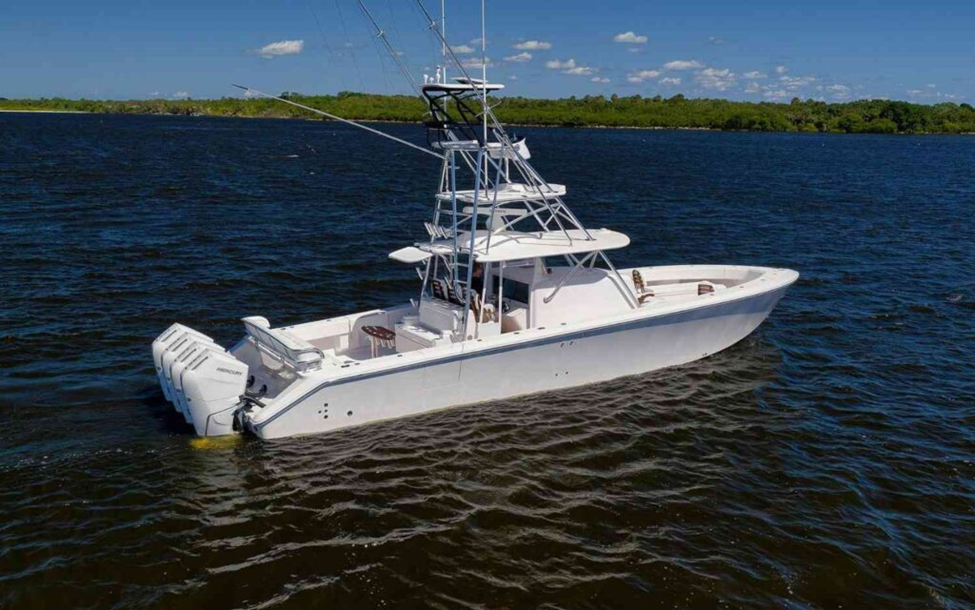
Boca Raton offers easy access to a variety of South Florida waterways, making a capable boat useful for fishing, cruising, diving, and day trips along the coast. Center console boats are particularly versatile because their open deck layouts provide room for passengers, fishing equipment, coolers, and other gear.
Listings can look similar at first glance, but differences in hull design, engines, electronics, storage, and safety equipment can have a noticeable effect on how a boat performs on the water. Buyers comparing center console boats for sale in Boca Raton should examine the following features before deciding which model fits their plans.
The hull affects ride comfort, stability, handling, and fuel consumption. When comparing center console boats for sale in Boca Raton, buyers will find different hull shapes and deadrise angles, meaning two boats of similar length can behave quite differently in rougher conditions. A deeper-V hull can provide a smoother ride through coastal chop, while boats with a flatter hull may offer greater stability in calmer, shallow-water environments. The intended use should guide this decision.
Construction materials also deserve attention. Fiberglass is common in center console boats and can provide a solid combination of strength, appearance, and durability. Inspect the hull carefully for cracks, repairs, blistering, or signs of previous impact, particularly when considering a used boat.
See also: Base Metal Thermocouple: Types, Materials, Applications, and Performance Factors
The engine is one of the largest expenses associated with boat ownership, so its condition deserves close attention. Compare horsepower, engine hours, fuel consumption, service records, and the manufacturer’s recommended operating range.
Outboard engines are common on center console boats because they provide useful deck space and can be easier to access for maintenance. Twin-engine configurations can offer additional power and redundancy, although they also bring higher fuel, maintenance, and purchase costs.
A sea trial can reveal details that are difficult to identify from photographs or specifications. Pay attention to acceleration, steering response, vibration, engine noise, and how the boat behaves at cruising speed.
A boat’s fuel tank size should match the trips you expect to make. A larger tank can provide greater range, but carrying additional fuel also adds weight.
Think about the distance between your usual departure point and destinations, along with the amount of time you expect to spend offshore. Fuel consumption varies considerably depending on engine size, boat weight, speed, sea conditions, and load.
Do not judge range solely by tank capacity. A boat with a smaller tank and efficient engine may have a practical range similar to a larger, less efficient setup.
The helm should give the operator a clear view of the water and easy access to essential controls. Modern center console boats may include multifunction displays, GPS chartplotters, fish finders, radar, VHF radios, digital engine monitoring, and autopilot systems.
Check the condition and age of installed electronics on used boats. Older equipment may still function properly but could have limited compatibility with newer systems or outdated chart data.
A well-arranged helm can also reduce distractions while operating the boat. Controls should be positioned so the captain can monitor engine information, communicate, and adjust navigation equipment without unnecessary movement.
Center console boats vary considerably in how they use available deck space. Some prioritize fishing, while others include more seating for family outings and coastal cruising.
Look at the bow seating, leaning post, helm seats, aft bench, and available standing space. Removable seating can be useful because it allows the deck to be rearranged depending on the activity.
Consider how many people you normally carry. A boat that feels spacious with two or three passengers may become crowded with a full group and a large amount of equipment.
Storage is easy to overlook during a boat inspection. Once coolers, fishing rods, life jackets, dive equipment, tools, and personal belongings are onboard, limited storage can become frustrating.
Open each compartment and inspect the available space. Look for dry storage areas, under-seat compartments, console storage, rod holders, and dedicated spaces for batteries or safety equipment.
Check the seals and latches as well. Water intrusion can damage equipment stored below deck and may indicate maintenance issues.
For anglers, the fishing setup can make a significant difference. Useful features may include a livewell, fish boxes, rod holders, tackle storage, raw-water washdown, and a suitable transom arrangement.
The location of these features matters as much as their presence. Rod holders should be accessible without interfering with passenger movement, while fish boxes should be large enough for the species and trips you have in mind.
A boat intended mainly for offshore fishing may have a very different layout from one designed for casual family outings.
Safety equipment should be checked before purchase, especially on used boats. Look for properly maintained fire extinguishers, navigation lights, bilge pumps, horns, emergency equipment, and appropriate life jackets.
The center console itself should provide good visibility from the helm. Check sightlines while seated and standing, since operators may use both positions depending on conditions.
Inspect wiring, battery compartments, switches, hoses, and bilge areas for signs of corrosion or poor repairs. Electrical problems can become expensive and inconvenient if they are discovered after purchase.
Boca Raton’s warm climate means shade and ventilation can matter during long days on the water. A T-top or hardtop can provide protection from direct sunlight while also offering mounting points for electronics, antennas, and accessories.
Look at the quality and condition of the canvas, supports, hardware, and fittings. Shade coverage should also leave enough usable deck space for fishing or moving around the boat.
Freshwater and saltwater exposure should be considered during inspection. Hardware, electrical connections, steering components, and other metal parts should be checked for corrosion.
Purchase price is only one part of the cost of owning a boat. Insurance, storage, fuel, routine servicing, repairs, registration, cleaning, and replacement of marine electronics can all contribute to annual expenses.
Ask for maintenance records and confirm when major service work was completed. Engine servicing, lower-unit maintenance, battery replacement, and steering-system inspections are particularly useful records to review.
For a used boat, a professional marine survey and mechanical inspection can identify problems that may not be visible during a casual walkthrough. The inspection cost can be modest compared with repairing an overlooked mechanical or structural issue.
The right center console depends heavily on how it will actually be used. A fishing-focused owner may prioritize livewells, rod storage, fuel capacity, and offshore performance. Someone planning family outings may place greater value on comfortable seating, shade, boarding access, and storage.
Consider the number of passengers, typical trip length, preferred activities, storage arrangements, and waterways you expect to use. Compare several boats using the same criteria rather than focusing only on appearance or advertised horsepower.
A careful comparison helps separate attractive listings from boats that genuinely fit your boating habits. In Boca Raton, where coastal trips can range from short recreational outings to longer offshore excursions, paying attention to practical specifications can make the ownership experience much easier.