Newsletter Subscribe
Enter your email address below and subscribe to our newsletter

 ByJohn A
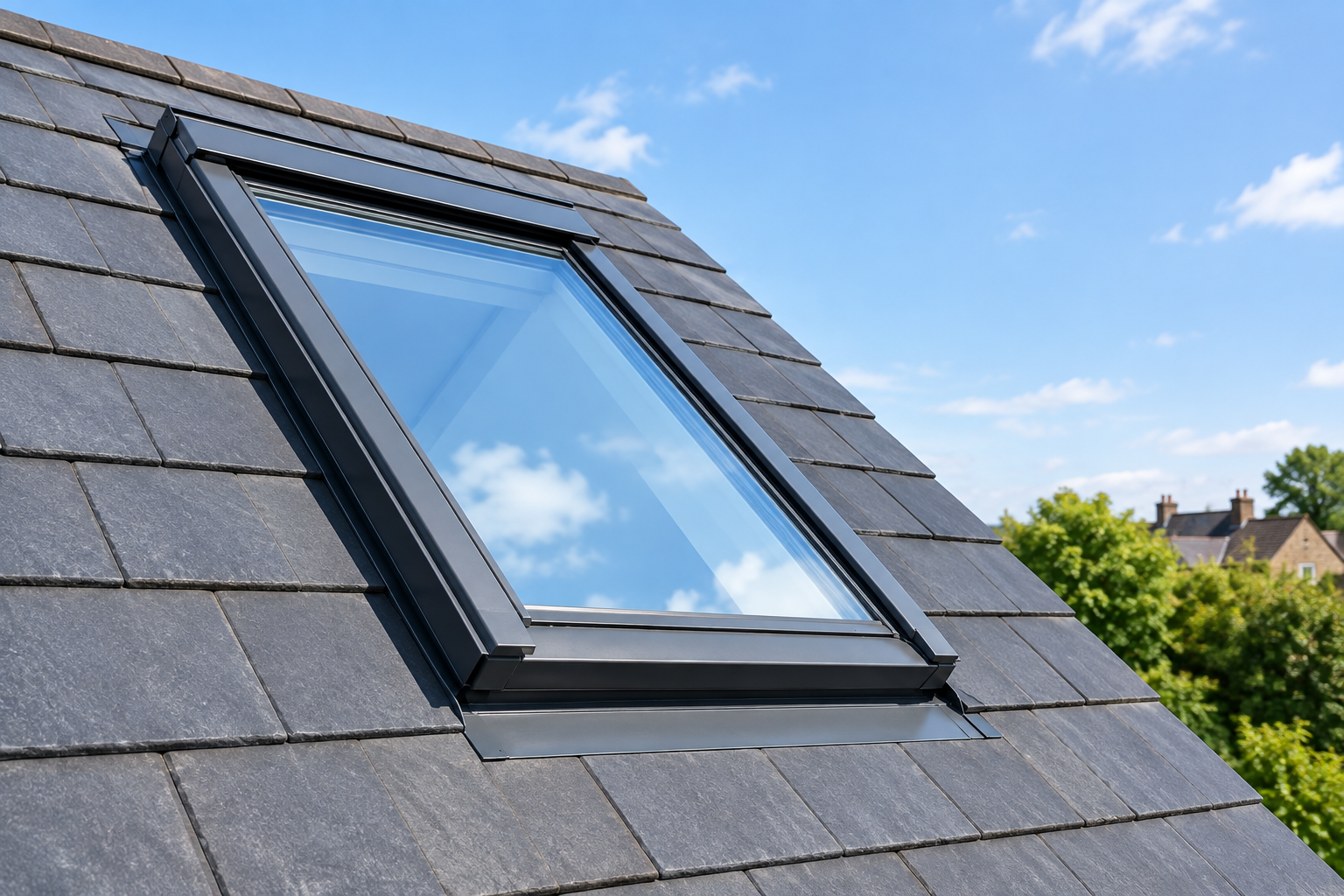
A pitched roof can provide an excellent opportunity to introduce more natural light into an attic, loft, extension, or converted living space. Roof glazing can brighten rooms that might otherwise depend heavily on artificial lighting, while carefully selected products can also contribute to ventilation and thermal comfort.
Choosing suitable roof lights for pitched roofs requires more than selecting a size that fits between two rafters. Roof pitch, glazing type, frame material, thermal performance, positioning, and installation details all affect the finished result. Understanding these factors before purchasing can help homeowners, architects, and builders make a suitable choice for the property.
Roof glazing is designed to sit within the slope of a roof, allowing daylight to enter from above. This can provide a different quality of light compared with vertical windows because the glazing receives light from a larger portion of the sky.
The position of the rooflight can also affect how the room feels. A centrally positioned unit may spread daylight across the space, while several smaller units can distribute light more evenly. The size of the room, ceiling height, roof orientation, and surrounding buildings should all be considered before deciding on placement.
Roof pitch is another practical consideration. Products are generally manufactured for particular pitch ranges, so the specifications should be checked before ordering. Installing a unit outside its recommended range can affect drainage, flashing, weatherproofing, and overall performance.
Different designs are available for residential and commercial projects. Fixed units provide daylight without ventilation, while opening rooflights can allow fresh air into a room. Electric or manually operated options may be useful where the glazing is installed beyond comfortable reach.
See also: 3000 kVA Transformer: Specifications, Applications, and Cost Factors
There is no single design suitable for every pitched roof. The most appropriate choice depends on the building and the purpose of the room.
Size is one of the first factors to assess. A larger rooflight can introduce more daylight, but the roof structure may limit the available opening. Structural alterations should be assessed by a suitably qualified professional where required.
Glazing also deserves attention. Double or triple glazing can provide different levels of thermal insulation and acoustic performance. Low-emissivity coatings can help reduce heat transfer, while laminated or toughened glass may be selected for safety depending on the location and product specification.
Frame materials vary between manufacturers. Timber, aluminium, PVC, and composite systems each have different maintenance requirements and visual characteristics. The frame should also be compatible with the existing roof construction and surrounding materials.
Ventilation can be another reason to install roof glazing. In a loft conversion or upper-floor room, an opening rooflight can provide an additional source of airflow. However, ventilation requirements vary between buildings, so the product should be selected alongside the wider ventilation strategy.
A roof lantern on pitched roof projects above the roof surface and generally consists of a raised glazed structure with multiple panels. It differs from a conventional rooflight, which usually follows the slope of the roof.
Roof lanterns are often associated with flat-roof extensions, where their raised form creates additional headroom and allows daylight to enter from several directions. Their suitability for a pitched roof depends on the architectural design, structural arrangement, manufacturer specifications, and method of installation.
For a conventional sloping roof, a rooflight designed specifically for that pitch may be more appropriate than adapting a lantern system. The distinction matters because flashing, drainage, structural support, and weatherproofing must all work correctly at the junction between glazing and roof covering.
Anyone considering a lantern-style installation should check the manufacturer’s technical information and obtain professional advice where structural changes are involved.
People planning to buy pitched rooflights should compare technical specifications rather than choosing a product based solely on appearance or price.
Start with the roof dimensions and pitch. The rooflight must fit the available opening and be compatible with the roof construction. Some products are designed for specific tile or slate profiles, while others require particular flashing kits.
Thermal performance is another consideration. Look for the product’s published U-value and check whether the stated figure applies to the complete rooflight or only the glazing. The surrounding roof construction also affects the overall thermal performance of the installation.
Weather resistance should receive close attention. Flashing systems direct rainwater away from the opening and are designed to work with particular roof coverings. Incorrect or poorly installed flashing can increase the risk of water penetration.
Security and safety specifications may also influence the choice. Rooflights positioned within an accessible area may require different glazing characteristics from those installed high above a room. Building regulations and manufacturer instructions should be checked for the specific project.
Warranty information, replacement parts, cleaning requirements, and opening mechanisms are additional practical points. A product that is easy to maintain can be more convenient over its service life.
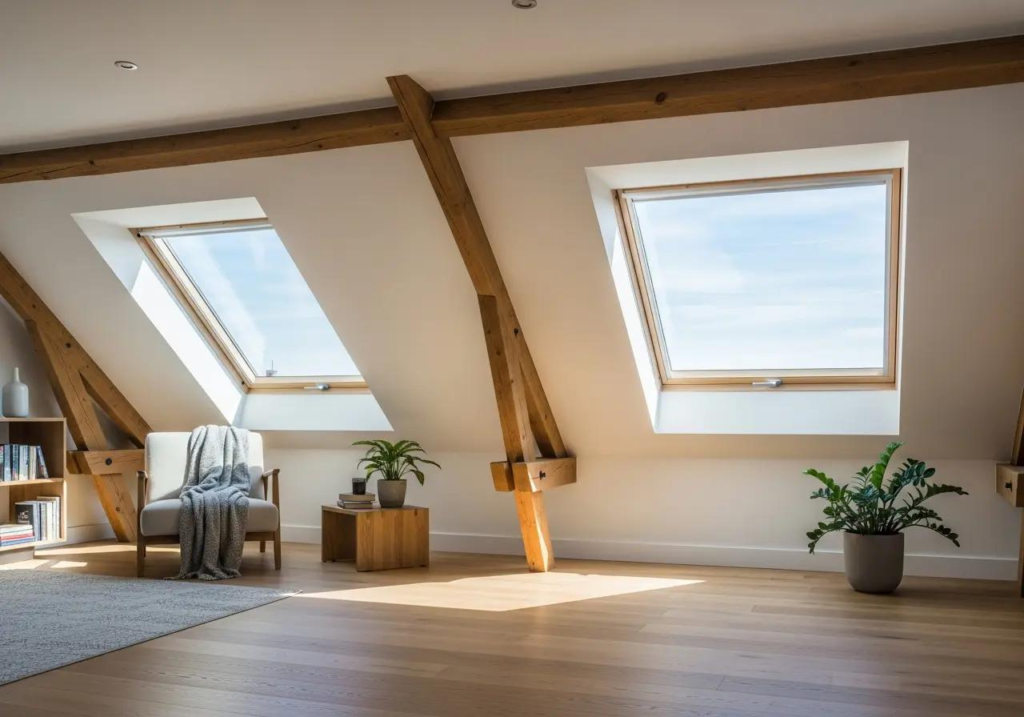
The availability of online pitched rooflights gives homeowners and contractors access to a wide range of dimensions, glazing specifications, frame types, and accessories. Online purchasing can be useful, but the product description should be examined carefully before an order is placed.
Check the exact dimensions rather than relying on a general product name. Confirm the compatible roof pitch, roof covering, flashing system, glazing specification, and installation method. If an opening rooflight is required, check how it operates and whether the necessary controls are included.
Delivery details can also matter for larger glazing units. Check packaging arrangements, delivery restrictions, inspection procedures, and the retailer’s policy for damaged goods before completing the purchase.
Technical drawings and installation instructions are particularly useful. They can show the required structural opening, flashing dimensions, and clearance around the frame. Sharing these documents with the installer before ordering can help identify compatibility issues.
Price comparisons should also include the accessories required for installation. Flashing kits, insulation collars, blinds, controls, and replacement components may be sold separately.
Professional installation can help ensure that rooflights for pitched roof applications are correctly integrated with the existing roof. The installer needs to consider the roof structure, waterproofing layers, insulation, flashing, and internal finish.
The area around the glazing should be inspected periodically for signs of water ingress, damaged seals, condensation, or deterioration. Glass can normally be cleaned using suitable non-abrasive products, while frames should be maintained according to the manufacturer’s instructions.
Opening mechanisms may require occasional inspection, particularly on electrically operated units. Any unusual resistance, noise, or failure to close properly should be investigated rather than forcing the mechanism.
The right rooflight depends on the roof, the room, and the intended use of the space. Before purchasing, establish the roof pitch, available opening, preferred glazing specification, ventilation requirements, and installation method.
A product’s appearance is only one part of the decision. Technical compatibility, thermal performance, weatherproofing, safety, maintenance, and long-term availability of components should all be considered.
For renovation projects, it can also be useful to discuss the proposed rooflight with the installer before ordering. A short check of the roof structure and product specifications can prevent costly changes later and help ensure that the finished installation performs as intended.