Newsletter Subscribe
Enter your email address below and subscribe to our newsletter

 ByJohn A
A bracelet can add detail to an outfit without requiring much thought. For men who prefer accessories that are practical and understated, a gents bracelet can sit comfortably alongside a watch, ring or chain without dominating the overall look.
The variety of materials and designs also makes bracelets suitable for different settings. Leather, stainless steel, silver and gold styles each create a different impression, while link sizes and clasp designs affect both appearance and comfort.
One reason a gents bracelet works well for regular wear is its versatility. A simple metal bracelet can complement office clothing, while a leather design may suit jeans, shirts, and casual footwear. More substantial chain bracelets can provide greater visual presence for evening outfits.
For those looking to explore different styles, a gents bracelet can be a versatile addition to a modern jewellery collection, with options available in various metals, finishes, and designs.
Neutral finishes are particularly easy to combine with different colours. Silver, steel, black, and brown can work with a broad range of clothing. The bracelet does not need to match every other accessory exactly. Coordinating the overall finish is often enough to create a balanced and polished appearance.
A bracelet and watch can be worn together on the same wrist or separately. The choice depends on the size and design of each item.
A slim bracelet beside a larger watch can create contrast without making the wrist look crowded. Alternatively, wearing the bracelet on the opposite wrist keeps each accessory visually separate.
Pay attention to materials as well. A metal bracelet can pair naturally with a steel watch, while leather can introduce a softer texture beside a traditional timepiece.
Material selection changes the character of a bracelet.
Stainless steel is a practical option for regular wear because it is strong and relatively easy to maintain. Silver offers a classic appearance but may require occasional polishing because it can oxidise.
Leather gives a more relaxed appearance and develops its own character as it ages. It does, however, require protection from prolonged exposure to water.
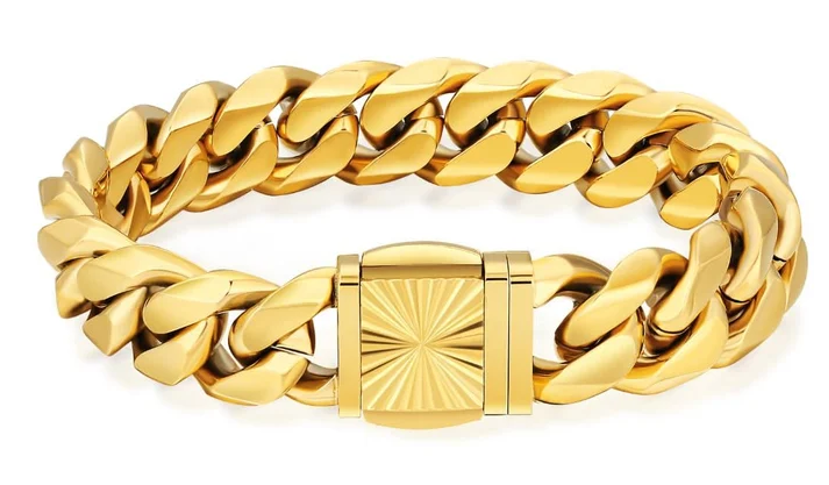
Gold provides a more traditional luxury appearance, although solid gold bracelets can be heavier and more expensive than other options.
There is no single material that suits every wearer. Daily routine, budget and personal taste all have a role.
A bracelet should move naturally with the wrist rather than constantly sliding over the hand or pressing against the skin.
Measure your wrist before buying and check the seller’s sizing information. Some bracelets have adjustable links or sliding mechanisms, while others are sold in fixed sizes.
A small amount of movement is generally comfortable, but a bracelet that is too loose may catch on clothing or other objects. A piece that is too tight can become uncomfortable during the day.
The width also matters. A wide bracelet creates a stronger visual presence, while a narrower design can be easier to combine with other accessories.
The clasp is easy to overlook because it is usually hidden from view, but it affects how confidently a bracelet can be worn.
Lobster clasps, box clasps, magnetic closures and fold-over mechanisms each have different characteristics. Some provide quick fastening, while others offer additional security.
For a bracelet worn throughout the day, look for a closure that feels secure and is appropriate for the bracelet’s weight. A heavy chain needs a fastening system capable of handling regular movement.
A bracelet should feel natural with the clothes you already wear.
Someone with a minimalist wardrobe may prefer a narrow steel or silver bracelet. A person who enjoys rugged clothing may prefer leather or heavier chain links. Those who wear tailored clothing may find a refined metal design works better than a large, heavily textured piece.
Think about proportion. A large bracelet may overwhelm a small wrist, while an extremely thin design can disappear beside a large watch.
Multiple bracelets can be worn together, but combinations need some planning.
Mixing textures can create contrast, such as leather with metal. Similar finishes can produce a cleaner appearance. Avoid combining too many large pieces on one wrist because they can compete with one another and become uncomfortable.
A watch plus one bracelet is often enough for a restrained look.
Regular care helps maintain the bracelet’s appearance.
Metal bracelets can usually be wiped with a soft cloth after use. Leather should be kept away from excessive moisture and stored in a dry place. Silver may need occasional polishing to remove surface oxidation.
Perfume and skincare products can also affect certain finishes. Applying these products before putting on the bracelet can reduce direct contact.
Storage matters too. Keeping bracelets separate helps prevent scratches, especially when several metal pieces are stored together.
See also: Ways to Make Your Google Business Profile More Useful to Customers
An everyday bracelet should be more than attractive at the point of purchase. It should fit comfortably, work with your wardrobe and tolerate the conditions in which you plan to wear it.
A gents bracelet can become a simple signature accessory when its design matches the wearer’s habits. The right size, material, clasp and finish can make it easy to wear from weekday mornings to evenings and weekends without requiring a complete change of style.