Newsletter Subscribe
Enter your email address below and subscribe to our newsletter

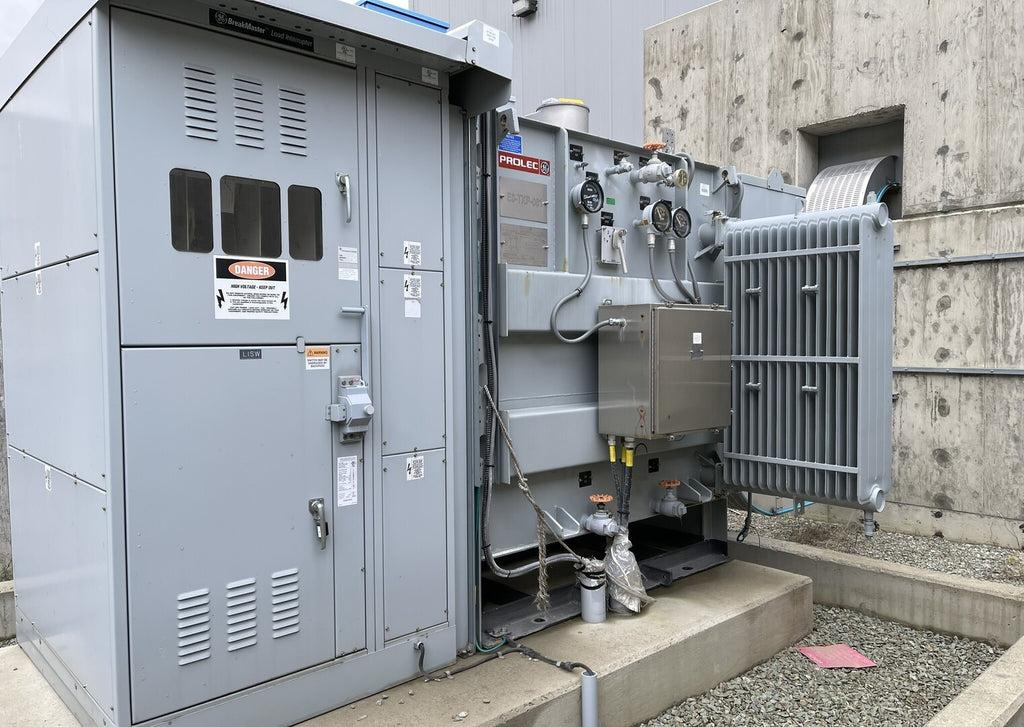
 ByJohn A
A 3000 kVA transformer is designed for electrical systems that require substantial power capacity and dependable voltage conversion. These transformers are commonly used in manufacturing facilities, commercial buildings, infrastructure projects, utility installations, and other locations with significant electrical loads.
Selecting a transformer involves more than checking its kVA rating. Voltage requirements, phase configuration, cooling method, installation conditions, efficiency, and operating environment all affect the suitability of a unit. Understanding these factors helps engineers, contractors, and purchasing teams compare equipment based on actual project requirements.
The kVA rating indicates the apparent power capacity of a transformer. A 3000 kVA unit can supply up to 3,000 kVA under its specified operating conditions.
The actual usable load depends on factors such as power factor, ambient temperature, cooling arrangement, and the manufacturer’s rated conditions. For example, a facility operating motors, production machinery, HVAC equipment, and lighting systems may require a transformer of this capacity to support its combined electrical demand.
A transformer should not normally be selected simply because its rating matches the estimated load. Engineers generally consider present demand, expected expansion, starting currents from large motors, and appropriate operating margins before determining the required capacity.
See also: 15 kVA Single Phase Transformer Price: Complete Buying Guide
A 3000 kva transformer may be found in several types of electrical installations, including:
The exact transformer design depends on the electrical system in which it will operate. Industrial installations, for example, may require specifications that differ considerably from those used in commercial buildings.
Several specifications should be reviewed before purchasing a transformer 3000 kva unit.
The input and output voltages must match the electrical distribution system. Common voltage combinations vary according to the country, utility network, and application.
Incorrect voltage selection can create operational problems and may require additional equipment. The required primary and secondary voltage should therefore be confirmed from the project’s electrical drawings and utility requirements.
Transformers are manufactured for specific operating frequencies, commonly 50 Hz or 60 Hz. The transformer must be compatible with the frequency of the electrical system.
Three-phase transformers are frequently used for high-capacity commercial and industrial applications because they are suited to large balanced loads and three-phase distribution systems.
Single-phase transformers serve different applications and are generally associated with smaller or specialized electrical loads.
Cooling systems help remove heat generated during transformer operation. Depending on the design and rating, transformers may use air cooling or liquid-based cooling systems.
The installation environment also matters. A transformer located indoors may have different cooling and ventilation requirements from one installed outdoors.
Insulation systems protect transformer windings and other internal components from electrical and thermal stresses. Construction materials, winding configuration, enclosure design, and insulation class can affect service life and operating performance.
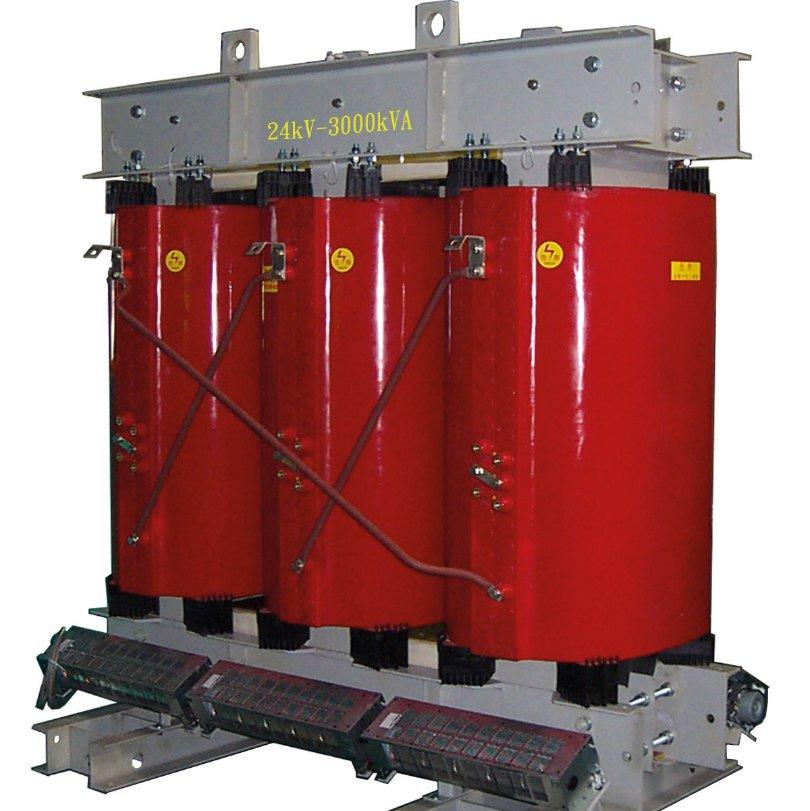
The 3000 KVA transformer price is influenced by considerably more than the rated capacity.
Copper and electrical steel costs can affect manufacturing expenses because these materials are major components of transformer construction. The transformer’s voltage ratio, winding arrangement, insulation system, cooling method, enclosure, and accessories can also change the final cost.
Other factors may include:
Prices can therefore vary significantly between two transformers with the same 3,000 kVA rating. A meaningful comparison should use complete technical specifications rather than the kVA rating alone.
A 3000 kVA transformer is intended for considerably larger electrical requirements than small distribution transformers. For perspective, a 15 kVA single-phase unit serves a very different purpose from a 3,000 kVA industrial transformer.
Someone researching a 15 kva single phase transformer price should therefore evaluate residential, commercial, control, or light-load requirements separately from large industrial distribution needs.
Capacity should be matched to the electrical load rather than selected solely according to equipment size or purchase price.
A transformer of this capacity requires appropriate planning before installation. The available floor or foundation area, ventilation, clearances, cable routing, grounding, and accessibility for maintenance should all be reviewed.
Large transformers can also require specialized transportation and lifting equipment. Outdoor installations may need weather protection and suitable foundations, while indoor installations may require carefully planned ventilation and fire-safety provisions.
Electrical protection is another major consideration. Depending on the system, protection may include circuit breakers, fuses, surge protection, temperature monitoring, and other equipment designed to protect the transformer and connected loads.
Purchase price represents only one part of the cost of owning a transformer. Electrical losses occur during operation, and these losses can contribute to energy expenses over the equipment’s service life.
Core losses occur while the transformer is energized, while winding losses increase with load. An appropriately specified transformer can help control unnecessary losses, particularly in facilities where the equipment operates continuously.
Load patterns should therefore be considered during equipment selection. A transformer that is significantly oversized may operate inefficiently relative to the facility’s actual demand, while insufficient capacity can create excessive loading and operational problems.
Before placing an order, buyers should prepare a clear specification sheet covering the project’s electrical requirements. It should identify the required primary and secondary voltages, frequency, phase configuration, installation location, cooling method, impedance, insulation requirements, and applicable standards.
The expected load profile should also be reviewed. Facilities with large motors or equipment that creates significant starting currents may require additional engineering consideration.
Manufacturer documentation should provide test results, technical drawings, ratings, dimensions, weight, and installation requirements. Reviewing these details before purchase can prevent compatibility issues after delivery.
A 3000 kVA transformer should be evaluated as part of the complete electrical system. Capacity, voltage, efficiency, construction, protection, cooling, installation conditions, maintenance requirements, and lifecycle costs all contribute to the suitability of the equipment.
For purchasing teams, comparing detailed specifications from multiple manufacturers can provide a clearer picture than comparing quoted prices alone. The lowest initial quotation may not represent the lowest long-term cost if efficiency, maintenance, installation, or operating requirements differ substantially.
For engineers and facility managers, the best starting point is the site’s actual electrical demand and distribution design. Once those requirements are established, the appropriate transformer configuration can be selected with greater confidence.