Newsletter Subscribe
Enter your email address below and subscribe to our newsletter

 ByJohn A
Kitchen cabinets play an essential role in creating a functional, organized, and attractive kitchen. They provide storage for cookware, dishes, food items, and everyday essentials while contributing significantly to the overall appearance of the space. Whether you are renovating an older kitchen or designing a new one, choosing کابینت نئوکلاسیک the right cabinets can improve convenience, enhance interior design, and increase the long-term value of your home. However, with so many materials, styles, finishes, and prices available, selecting the perfect cabinets can feel overwhelming.
Understanding the most important factors before making a purchase can help you find kitchen cabinets that combine durability, beauty, and practicality. From choosing reliable materials to selecting suitable colors and hardware, every detail matters. Here are some essential tips to help you make a confident and informed decision.
The material is one of the most important considerations when selecting kitchen cabinets. It directly affects their durability, appearance, maintenance requirements, and overall cost. Since kitchens experience frequent use, temperature changes, humidity, and occasional spills, choosing suitable materials is essential.
Solid wood remains a popular option because of its natural beauty, strength, and timeless appeal. Oak, maple, cherry, and walnut are commonly used for kitchen cabinetry. Each wood type offers a different grain pattern and color, allowing homeowners to select a style that complements their interior design.
Plywood is another excellent option, particularly for cabinet boxes. Quality plywood generally provides good structural stability and can perform well in kitchen environments when properly manufactured and protected.
Medium-density fiberboard, commonly known as MDF, is often used for painted cabinet doors because it provides a smooth surface. High-quality particleboard can also be suitable when properly constructed and protected against moisture.
Before purchasing, compare the material specifications, thickness, construction quality, and warranty. Choosing materials according to your budget and kitchen conditions can help ensure long-lasting performance.
Even the most beautiful kitchen cabinets may disappoint if they do not fit the available space properly. Before selecting a design, measure the kitchen carefully and consider the placement of windows, doors, appliances, plumbing, and electrical outlets.
A well-planned cabinet layout improves movement and makes everyday cooking more convenient. Wall cabinets can provide additional storage without occupying floor space, while base cabinets offer room for heavy cookware and frequently used kitchen items.
For smaller kitchens, consider cabinets that extend toward the ceiling. This design can create additional storage and make the room appear taller. Pull-out shelves, corner storage solutions, and narrow organizers can also help maximize otherwise unused areas.
In larger kitchens, a combination of base cabinets, wall cabinets, and island storage can provide a balanced and practical arrangement. Make sure cabinet doors and drawers can open fully without obstructing walkways or nearby appliances.
Accurate measurements and thoughtful planning help prevent installation problems and unnecessary expenses.
Kitchen cabinets have a major influence on the overall character of the room. Their design should complement your flooring, countertops, backsplash, lighting, and other interior features.
Shaker cabinets are a popular choice because their simple, framed doors suit both traditional and contemporary kitchens. Flat-panel cabinets provide a clean, minimalist appearance that works particularly well in modern interiors. Raised-panel designs, decorative molding, and detailed wood finishes can create a more traditional or elegant atmosphere.
When choosing a style, consider how it will look over time rather than focusing exclusively on current trends. A timeless design can remain attractive even when other kitchen elements change.
It is also helpful to maintain consistency throughout the space. For example, simple cabinet doors may pair beautifully with natural stone countertops, while richly detailed cabinetry can complement classic fixtures and decorative lighting.
Selecting a style that reflects your personal taste while maintaining visual balance will help create a kitchen that feels welcoming and well designed.
The finish protects cabinet surfaces and contributes to their appearance. Because kitchen cabinets are exposed to grease, moisture, fingerprints, and regular cleaning, choosing a suitable finish is important.
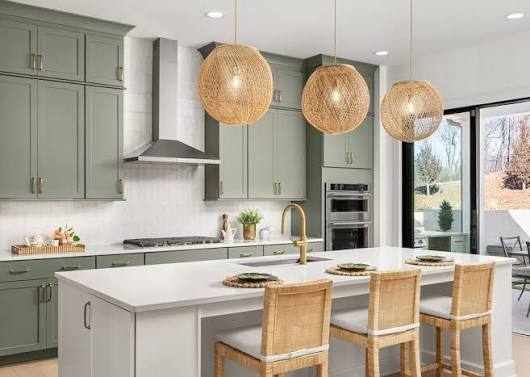
Painted finishes offer a wide range of color choices, including white, cream, gray, navy, and muted green. Wood stains highlight natural grain patterns and create warmth. Laminated finishes can provide a variety of colors and textures while offering relatively easy maintenance.
Glossy finishes reflect light and may help a small kitchen feel brighter, although fingerprints and surface marks can be more noticeable. Matte finishes create a softer, contemporary appearance but may require careful cleaning depending on the product.
Neutral colors are versatile and can coordinate with many countertop and flooring options. However, darker cabinets can create a sophisticated contrast when paired with suitable lighting and lighter surfaces.
Always request samples before making a final decision. Examine them under your kitchen’s natural and artificial lighting to understand how the color and texture will appear in the actual space.
Cabinet construction is just as important as the visible finish. Strong materials and precise assembly help cabinets withstand daily use without becoming loose, uneven, or difficult to operate.
Examine the joints, edges, back panels, shelves, and overall structure. Drawers should move smoothly, and cabinet doors should align correctly. Poorly fitted components may indicate lower manufacturing quality.
Pay particular attention to hinges, drawer slides, handles, and other hardware. Soft-close hinges and drawer mechanisms reduce slamming and can improve the user experience. Full-extension drawer slides make it easier to reach items stored at the back.
Metal hardware should be suitable for regular use and resistant to corrosion in humid conditions. Handles should also feel comfortable and match the cabinet style.
Although premium hardware may increase the initial cost, dependable components can reduce maintenance needs and improve long-term satisfaction.
A successful kitchen design should look attractive while making daily tasks easier. Before choosing cabinet configurations, consider how you cook, organize groceries, store dishes, and use small appliances.
Deep drawers can be useful for pots and pans, while adjustable shelves accommodate items of different heights. Pull-out pantry units provide convenient access to dry goods, and dedicated organizers can keep utensils, cutting boards, and cleaning supplies neatly arranged.
Corner cabinets often benefit from specialized storage systems that make difficult-to-reach spaces more accessible. Under-sink cabinets should accommodate plumbing while leaving enough room for essential cleaning products.
You may also consider vertical dividers for baking trays, built-in spice racks, and integrated waste or recycling compartments.
The best storage solutions depend on your household’s habits and needs. Rather than adding every available feature, invest in the options that provide genuine everyday benefits.
Kitchen cabinet prices vary considerably according to materials, dimensions, construction, customization, hardware, and installation requirements. Establishing a realistic budget before shopping helps narrow your options and prevents overspending.
Compare the complete cost rather than looking only at the price of individual cabinets. Your total budget may need to include delivery, installation, fillers, trim, handles, finishing work, and adjustments to existing plumbing or electrical systems.
Stock cabinets are often more affordable because they come in standard sizes. Semi-custom cabinets provide additional choices in dimensions, finishes, and storage features. Fully custom cabinets offer greater design flexibility but generally require a larger investment.
Request itemized quotations from multiple suppliers and check exactly what each quotation includes. Ask about material specifications, installation charges, delivery schedules, and warranty coverage.
A balanced approach is to prioritize structural quality, dependable hardware, and practical storage before spending extra on decorative details. This helps you achieve an attractive result without sacrificing durability.
Kitchens are naturally exposed to water, steam, and changing temperatures. Cabinet materials and finishes should therefore be appropriate for these conditions.
Look for well-sealed edges, protected surfaces, and construction designed to reduce moisture penetration. Areas around sinks and dishwashers کابینت مدرن deserve particular attention because leaks and condensation can damage vulnerable materials.
No cabinet material is completely immune to water damage. Even durable cabinetry can deteriorate if standing water remains on its surfaces or leaks go unnoticed.
Ask manufacturers about recommended cleaning products and maintenance procedures. Many finishes can be cleaned with a soft cloth and mild soap, while abrasive cleaners and excessive water may cause damage.
Regularly inspect areas near plumbing connections and wipe up spills promptly. Good ventilation also helps reduce excess humidity and protects surrounding kitchen materials.
Choosing cabinets that are easy to maintain can preserve their appearance and reduce the effort required to keep your kitchen clean.
A reliable supplier can make the entire cabinet selection and installation process much easier. Before placing an order, research the company’s reputation, product range, customer reviews, and previous projects.
Ask to see physical samples or completed installations whenever possible. These can provide a better understanding of material quality, finish consistency, and construction standards than photographs alone.
Discuss the installation process, expected completion date, delivery arrangements, and procedures for handling damaged or incorrect components. Written agreements help clarify responsibilities and reduce misunderstandings.
It is also important to review the warranty carefully. Understand which components are covered, how long coverage lasts, and whether installation defects or moisture-related problems are excluded.
Professional installation can help ensure cabinets are level, securely attached, and correctly aligned. This is particularly important for heavy wall cabinets and complex layouts.
Kitchen design trends change, but cabinets are often expected to last for many years. Selecting a design that balances personal style with long-term appeal can help prevent the need for expensive updates.
Natural wood textures, simple door profiles, practical storage, and coordinated finishes are flexible choices that work across many interior styles. You can introduce stronger colors or distinctive patterns through accessories, lighting, stools, and decorative items that are easier to replace.
Consider how your cabinet choices will coordinate with future changes to countertops, appliances, and flooring. A versatile cabinet design allows you to update the kitchen gradually without replacing every major component.
Durability, ease of maintenance, and functional design should remain the main priorities. A cabinet system that continues to perform well and looks attractive over time can provide better value than a design selected only for its immediate visual appeal.
Selecting durable and beautiful kitchen cabinets requires careful consideration of materials, construction, layout, finishes, storage, budget, and installation quality. By evaluating these factors together, homeowners can create a kitchen that combines visual appeal with practical everyday performance.
Start by measuring your space, identifying your storage requirements, and researching materials that suit your lifestyle. Compare suppliers, inspect hardware, request samples, and review warranties before making a final decision. It is equally important to consider moisture protection and maintenance so that your cabinets retain their appearance for years.
Ultimately, the best kitchen cabinets are those that reflect your personal style while providing dependable functionality. With thoughtful planning and attention to detail, you can invest in cabinetry that makes your kitchen more organized, comfortable, and attractive for the long term.