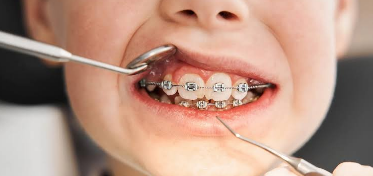

You may have noticed crowded teeth, a bite that feels off, or a child whose permanent teeth are coming in at odd angles. That usually starts a chain of stress. You wonder if braces are next, how much work needs to happen first, and whether something has been missed along the way. The good news is that orthodontic care rarely begins with brackets or aligners on day one. A general dentist often lays the groundwork first, making sure your mouth is healthy enough to handle tooth movement and helping you avoid delays once treatment starts, especially when seeking modern dental solutions for Rowlett residents.
That preparation matters more than most people expect. Teeth can be moved into better positions, but untreated decay, gum inflammation, and hidden infections do not disappear just because an orthodontic plan has been made. A general dentist and orthodontist often work as a team. One protects the health of your teeth and gums, the other guides alignment and bite correction. That is the core of How General Dentists Prepare Patients For Orthodontic Treatment, and it can make treatment smoother, safer, and more predictable.
General dentists identify problems that can delay orthodontic care
Orthodontic treatment puts steady pressure on teeth and the bone that supports them. If your gums are already inflamed or a cavity is growing between teeth, that pressure can turn a manageable issue into a bigger one. A general dentist usually starts with an exam, X-rays, and a close look at the bite, gum health, and existing dental work. If a filling is failing or a molar has decay hiding under the surface, fixing it first protects you from pain and interruption later.
This is often the part patients do not see coming. You may be ready to straighten your teeth right away, then hear that you need a cleaning, a few fillings, or treatment for gingivitis before the orthodontist can begin. That can feel frustrating, especially if you were hoping to move fast. It is still the right call. According to MedlinePlus information on orthodontia, orthodontic treatment works by gradually repositioning teeth, and healthy support structures are part of that process.
Children and teens often need another layer of evaluation. A general dentist may notice baby teeth that have not fallen out on time, crowding that suggests future extractions, or habits such as thumb sucking that affect jaw development. Adults bring different concerns. Old crowns, gum recession, bone loss, and missing teeth can all shape the orthodontic plan. In both cases, the first job is not cosmetic. It is making sure the mouth can tolerate movement without creating new problems.
See also: The Appeal of Leather Backpacks for Contemporary Lifestyles
Dental preparation before braces protects teeth, gums, and long term results
Dental preparation before braces usually includes professional cleaning, cavity treatment, and a review of brushing and flossing habits. If your gums bleed during routine brushing now, braces or aligners can make plaque control harder, not easier. A cleaning removes buildup, and your dentist may recommend more frequent hygiene visits during treatment. If gum disease is present, that needs attention before teeth are moved.
Some patients also need extractions, sealants, fluoride treatment, or replacement of rough restorations that could interfere with appliances. If there is jaw pain, clenching, or signs of enamel wear, your dentist may document that before treatment starts so changes can be tracked. This is where the handoff between a general dentist and orthodontist becomes practical. They are not doing the same job. They are solving different parts of the same problem.
Oral hygiene instruction matters more than people expect. The National Institute of Dental and Craniofacial Research offers clear oral hygiene guidance, and that advice becomes even more relevant before orthodontic treatment begins. If plaque control is weak before braces, white spots, decay, and gum swelling can show up during treatment. That is one of the most common reasons a nice alignment result ends with avoidable damage to the enamel.
Orthodontic treatment planning works better when infection and pain are addressed first
If you have ever had a toothache while waiting for a specialist visit, you already know how quickly timing can fall apart. A hidden abscess, impacted tooth, or severe crowding can change the sequence of care. In some cases, a dentist spots signs of infection and treats that first. In others, they refer for oral surgery before the orthodontist begins active movement. MedlinePlus explains tooth abscess symptoms and treatment, and that kind of issue needs attention before orthodontic appliances are placed.
Financially, this preparation can also save money. Treating decay early is usually less expensive than managing a broken bracket around a cavity, an emergency visit for swelling, or replacing damaged enamel after treatment. Patients often think the cost is all in the braces or aligners. The reality is that healthy teeth lower the chance of expensive detours.
Pre orthodontic care from a general dentist reduces avoidable setbacks
| Area | Prepared Before Orthodontics | Skipped or Delayed Preparation |
|---|---|---|
| Gum health | Cleaner gums, less bleeding, better support for tooth movement | Swelling, tenderness, higher risk of treatment delays |
| Cavities and old fillings | Decay treated before appliances make access harder | Cavities can worsen under or around brackets and attachments |
| Oral hygiene habits | Patient starts with a routine that can handle braces or aligners | Plaque buildup increases, raising risk of white spots and decay |
| Bite and eruption issues | Early concerns are documented and referred at the right time | Missed timing can make treatment longer or more complex |
| Comfort and emergencies | Pain sources addressed before active tooth movement | More interruptions from urgent dental problems |
Clear steps help you get ready for orthodontic care
Schedule a full dental exam first. If you are thinking about braces or aligners, begin with a general dental visit. Ask for an evaluation of cavities, gum health, old restorations, and any signs of infection or jaw strain.
Fix active problems before alignment starts. Complete fillings, deep cleaning, extractions, or other recommended treatment. Starting orthodontics with untreated issues usually leads to delays and added expense.
Strengthen your home care routine. Brush twice a day with fluoride toothpaste, clean between teeth daily, and follow the hygiene advice your dentist gives you. Good habits before treatment are easier to keep once appliances are in place.
Straightening your teeth is not just about appearance. It starts with building a healthy base so the result lasts and your mouth stays stable during treatment. When a general dentist handles the prep work well, the orthodontic phase tends to be smoother, with fewer surprises and fewer setbacks. If you are considering orthodontic care, start with a dental evaluation and get the foundation in place first.