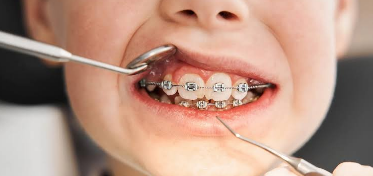

If you have braces or clear aligners, you already have enough to keep track of. Appointments, sore teeth, food getting stuck, trays that need cleaning, wires that start to poke at the worst time. With Orthodontics in Atascocita TX, it is easy to focus on straight teeth and miss what is happening around them. Your gums carry a lot of that burden, and during long treatment, they can start to show stress before you realize anything is wrong.
That is why routine gum checks matter so much. Teeth can move well and still sit in irritated, swollen, or infected gum tissue. When that happens, treatment can slow down, discomfort can build, and the final result may not be as stable as you hoped. Regular evaluations help catch small changes early, before bleeding, recession, or deeper periodontal problems become harder to manage.
Long term orthodontic treatment puts steady pressure on your gums
Orthodontic care works by moving teeth through bone over time. That movement is controlled, but the tissue around the teeth has to adapt the whole way through. Brackets, wires, bands, and aligners also create more places for plaque to collect. Even people with strong brushing habits can miss the tight spots near the gumline, especially when they are tired or rushing through the day.
The result is familiar to a lot of patients. Your gums look a little puffy. They bleed when you floss. One area feels tender, so you avoid it, and that makes the buildup worse. According to the CDC overview of gum and periodontal disease, gum disease can range from mild inflammation to more serious infection that damages the tissue and bone supporting the teeth. During orthodontic treatment, that progression can happen quietly if nobody is checking for it on a routine basis.
This is where routine periodontal evaluations during braces treatment make a real difference. A family dentist and orthodontist are not only watching tooth movement. They are also looking for inflammation, pocketing, recession, changes in oral hygiene, and areas where appliances are making cleaning harder than usual.
Ignored gum inflammation can affect comfort, cost, and results
Swollen gums do more than look red. They can change how your teeth and bite are evaluated, and they can make orthodontic adjustments more uncomfortable. If inflammation becomes persistent, your provider may need to pause or modify treatment until your gums improve. That means more visits, more time in appliances, and more frustration when you thought you were moving toward the finish line.
There is also the long term side of it. The NIH page on gum disease explains that untreated gum disease can affect the structures that hold teeth in place. If you are investing months or years into alignment, you do not want the supporting tissue compromised at the same time. Straight teeth still need healthy gums and bone underneath them.
Clear aligners can seem simpler because there are no brackets, but they do not remove the need for gum monitoring. Trays sit closely against teeth, and if plaque is trapped under them, irritation can still build. The FDA guide to braces and clear aligners points out that each option has different care needs and risks. The common thread is that both depend on healthy oral tissue to work well.
Routine gum evaluations during orthodontic care catch problems early
Gum monitoring during orthodontic treatment is usually simple, but it gives your care team useful information. They check for bleeding, plaque buildup, gum swelling, recession, and deeper pockets around the teeth. They may also review brushing and flossing technique, especially if one area keeps getting inflamed. Sometimes a tiny change in home care solves the issue. Sometimes a professional cleaning or periodontal treatment is needed before the problem spreads.
You might think, “My teeth are being checked all the time already.” That is true, but tooth movement and gum health are not the same thing. An adjustment visit is often focused on wires, trays, bite changes, and progress. A dedicated gum evaluation looks at the tissue itself and whether it is staying healthy enough to support the plan.
Daily home care and professional gum checks do different jobs
| Home Care | Routine Gum Evaluation | Why Both Matter |
| Brushing along the gumline | Checking for swelling, bleeding, and plaque retention areas | You clean daily, but hidden inflammation can still be missed |
| Flossing or using orthodontic cleaning tools | Measuring pockets and watching for early gum disease | Bleeding may seem minor, but deeper changes need professional review |
| Cleaning aligners or around brackets | Identifying appliance related irritation or recession | Hardware can create pressure points that are easy to overlook |
| Watching for soreness at home | Comparing tissue health over time | Trends matter during long treatment, not just one bad week |
This is the practical value of gum health checks in orthodontic treatment. Home care prevents a lot, and professional evaluations catch what home care cannot measure on its own.
Three steps you can take right away
1. Track bleeding and swelling instead of brushing it off. If your gums bleed more than once or twice, or one area stays puffy, mention it at your next visit. Better yet, call sooner. Small signs are often the first warning.
2. Clean for the appliance you actually have. Braces, retainers, and aligners all create different problem spots. Ask your family dentist and orthodontist to show you exactly where buildup is collecting and what tool fits that area best.
3. Keep periodontal checkups on the calendar during treatment. Do not assume orthodontic visits replace gum evaluations. Regular dental and periodontal monitoring helps protect the investment you are making in your smile and reduces the chance of delays.
Healthy gums support every stage of orthodontic care
Long orthodontic treatment asks a lot from your mouth, and your gums often carry more of that strain than people realize. Paying attention to them is not extra. It is part of getting a result that feels good, looks good, and lasts. If you are in braces or aligners and your gums have been bleeding, swelling, or feeling off, schedule a visit with a family dentist and orthodontist and have it checked before a small issue turns into a larger one.