
Your dog stops scratching, the smell fades, and the redness looks better, so it is tempting to think the ear infection is over. That is usually the moment people relax, and it is also when ear problems can quietly come back. If you are checking your dog’s ears after the infection seems better, you are doing the right thing. Improvement does not always mean the ear is fully healed, and missing the last signs of trouble can lead to another round of pain, medication, and vet bills. If you need guidance, Santaluz Animal Care in North San Diego County can help you decide whether your dog’s ears are truly healing.
You might be feeling stuck between two worries. One is overreacting and dragging your dog back to the clinic for nothing. The other is waiting too long and finding out the infection never really cleared. Both are common, especially with dogs who have had itchy, messy ears before. The short version is simple. Keep watching for subtle signs, follow the treatment plan all the way through, and get your general veterinarian involved if anything still looks off.
Ear infections often look better before they are fully gone
Dogs can seem much more comfortable within a few days of treatment. That does not mean the yeast, bacteria, swelling, or debris inside the ear canal is gone. It usually means the inflammation has started to settle. The deeper part of the ear may still be irritated, and if treatment stops too soon, the problem can flare up again fast.
This is where people get tripped up. The outside of the ear flap looks normal, the head shaking stops, and your dog goes back to sleeping through the night. Meanwhile, the ear canal can still hold discharge or trapped moisture. According to Cornell’s guidance on itchy ear problems in dogs, ear issues often have underlying causes such as allergies, moisture, ear shape, or skin disease. If the root cause is still there, the infection may return even after a short stretch of improvement.
That matters because repeat infections are harder on your dog and harder on the ear itself. Chronic inflammation can thicken the ear canal and make future treatment more difficult. In more stubborn cases, your veterinarian may need to change medications or look more closely at whether yeast, bacteria, mites, or allergy-related inflammation are involved. The FDA has also approved specific treatments for yeast ear infections in dogs, which shows how common and persistent these cases can be.
See also: The Appeal of Leather Backpacks for Contemporary Lifestyles
What to look for when you are rechecking your dog’s ears
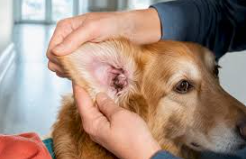
Rechecking your dog’s ears after treatment is less about making a diagnosis at home and more about spotting changes early. A healthy ear usually looks pale pink, smells mild, and has little to no visible debris. If you notice a sour or yeasty odor, dark wax, yellow discharge, swelling, or your dog pulling away when you touch the ear, the infection may not be resolved.
Some signs are easy to miss because they do not look dramatic. Your dog may rub one side of the face on the carpet, hold the head slightly tilted, or become irritated when you reach for the ear cleaner. If your dog has allergies, there may also be licking at the paws, skin redness, or seasonal flare-ups at the same time. Those clues matter because ear trouble often travels with broader skin inflammation.
Cleaning can help, but only when it is done correctly and only when your veterinarian has said it is safe. Cornell’s step by step advice on how to clean your dog’s ears is a good reference. If the ear is painful, heavily inflamed, or has a ruptured eardrum, home cleaning may do more harm than good. That is why general veterinarian care matters here. Ear disease can look simple from the outside and still need an otoscope exam or ear cytology to confirm what is left inside.
Home monitoring and veterinary follow up each have a place
| Approach | What It Helps With | Limits |
|---|---|---|
| Home ear checks | Spotting odor, redness, discharge, head shaking, or scratching early | You cannot see deep in the canal or identify yeast versus bacteria |
| Home ear cleaning | Removing debris and moisture when your vet has recommended a cleaner | Wrong technique or overcleaning can irritate the ear and delay healing |
| Finishing prescribed medication | Gives the infection the best chance to fully clear | Symptoms may improve before the infection is actually gone |
| Veterinary recheck | Confirms healing, checks the canal, and tests debris if needed | Requires time and cost, but may prevent repeat visits later |
The biggest mistake is assuming comfort equals cure. A dog can feel better and still need more treatment. The second biggest mistake is cleaning too often or using leftover medication from a past ear problem. One dog’s old prescription may be the wrong fit for the current infection, especially if the cause has changed.
Three smart steps to take right now
1. Check the ears in good light every day for a few days. Look for redness, swelling, discharge, odor, and sensitivity when you touch the area. Compare one ear to the other if only one was infected. Small differences can tell you a lot.
2. Finish the plan exactly as prescribed. If your veterinarian said to use drops for a set number of days, stick with that schedule unless they tell you otherwise. Do not stop because the ear looks better. This is one of the most common reasons a dog ear infection follow up turns into another full treatment cycle.
3. Book a recheck if anything still seems off. If the smell lingers, the debris returns, your dog still scratches, or the ear seems painful, get your dog seen by a general veterinarian. Early follow up is usually simpler and less expensive than waiting for a relapse.
Careful follow up protects your dog from another painful flare
Ear infections rarely cause stress for just a day or two. They interrupt sleep, make dogs miserable, and leave owners second guessing every scratch and head shake. Paying attention after the infection seems better is not being anxious. It is good care. A few extra checks now can spare your dog another painful setback and help your veterinarian catch any lingering issue before it grows.
If your dog’s ears still do not look or smell normal, or if the symptoms start creeping back, schedule a visit with a general veterinarian and get the ear checked properly.