Newsletter Subscribe
Enter your email address below and subscribe to our newsletter

 ByJohn A
Commercial concrete floors are exposed to continual traffic, equipment movement, dirt, moisture and general wear. Over time, the surface can become dusty, porous or difficult to maintain. Concrete cleaning and densification provide a way to prepare and strengthen suitable concrete surfaces while improving their condition for ongoing use.
concrete cleaning densification involves more than simply washing a floor and applying a chemical treatment. The concrete needs to be assessed, properly prepared and treated according to its condition and intended use. The right process can help create a harder, cleaner and more serviceable surface for commercial environments.
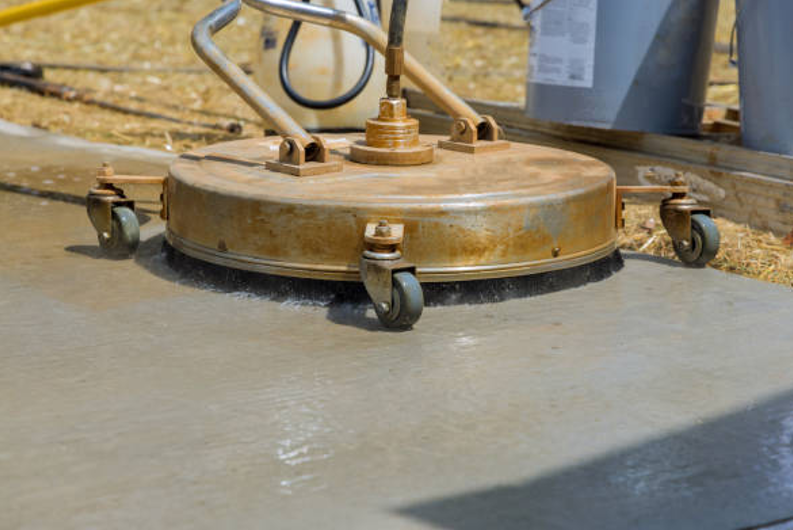
Concrete cleaning removes contaminants and surface debris that can interfere with subsequent treatment. Densification then uses a suitable chemical treatment to react with components within the concrete, helping strengthen the surface.
Commercial concrete can accumulate dust, dirt, oil residues, tyre marks, old coatings and other contaminants. Cleaning removes materials that may prevent a densifier from making proper contact with the concrete.
The cleaning method depends on the condition and use of the floor. Mechanical preparation may also be required where ordinary cleaning is insufficient. A properly prepared surface provides a more consistent base for subsequent treatment.
A concrete densifier penetrates the surface and reacts with available compounds in the concrete. This reaction helps reduce the presence of softer, more porous material near the surface and produces a harder concrete structure.
Densification does not simply create a coating sitting on top of the slab. It works within the concrete surface, which makes it different from many conventional floor coating systems.
Cleaning prepares the slab, while densification addresses the condition of the concrete itself. Skipping preparation can affect treatment consistency, particularly where contaminants or loose surface material are present.
The two stages therefore need to be considered as part of one flooring process rather than unrelated maintenance tasks.
Concrete dusting occurs when fine particles become detached from the surface through normal use. It can become particularly noticeable in areas with regular pedestrian movement, forklifts, trolleys or other equipment.
Repeated movement across a concrete floor gradually subjects the surface to mechanical abrasion. Traffic from footwear, wheels and equipment can expose weak areas and generate fine particles.
The rate of wear depends on concrete quality, surface condition, traffic intensity and the type of activity taking place in the area.
Concrete surfaces with a weak upper layer can be more susceptible to dusting. Poor surface finishing, excess water at the surface during placement or other construction-related factors can contribute to a less durable surface layer.
A professional assessment can help determine whether dusting is primarily a surface issue or part of a larger problem with the slab.
Commercial floors often remain in use for extended periods. Continuous movement can accelerate surface wear, especially in circulation paths, loading areas and operational zones.
A flooring treatment needs to reflect the actual conditions of the site rather than being selected solely for appearance.
Fine concrete dust can settle on equipment, stored goods and surrounding surfaces. It can also increase the amount of cleaning required across a facility.
Reducing surface dusting can therefore form part of a broader concrete floor maintenance strategy.
Densification is primarily concerned with improving the characteristics of the concrete surface. The result depends on the existing slab, preparation and treatment method.
A suitable densifier reacts with the concrete and helps create a harder surface. This can improve the floor’s resistance to routine abrasion compared with an untreated weak surface.
The treatment does not repair structural defects or replace badly damaged concrete. Surface hardening is most appropriate where the underlying slab is suitable for the process.
Densification can reduce the loose, friable material responsible for concrete dusting. A harder surface is less likely to shed fine particles under normal use.
The degree of improvement depends on the original concrete condition and the quality of preparation and application.
Commercial floors need to withstand regular movement without excessive deterioration. A properly densified surface can provide improved resistance to routine wear and abrasion.
This can be particularly relevant in facilities where maintaining the existing concrete slab is preferable to installing another flooring system.
A more stable concrete surface can make routine cleaning and maintenance more manageable. Removing loose surface material also helps reduce dust generation.
Maintenance requirements still depend on traffic, cleaning practices and the wider flooring system.
A professional process begins with understanding the existing floor rather than immediately applying a treatment.
The slab should be examined for surface condition, dusting, contamination, cracks, previous coatings and other defects. The intended use of the floor is also relevant.
Assessment helps determine whether densification is appropriate and whether additional preparation will be required.
The surface is cleaned to remove contaminants and loose material. Mechanical preparation may be used where necessary to achieve a suitable surface.
Preparation is one of the most significant stages because remaining contaminants can interfere with the treatment.
The selected concrete densifier is applied according to the requirements of the product and substrate. Coverage, application technique and site conditions need to be controlled to achieve consistent results.
The choice of product should be based on the flooring requirements rather than treated as a generic chemical selection.
The densifier needs sufficient contact time to react with the concrete. Application procedures vary according to the product and project requirements.
Following the appropriate process helps ensure that the treatment performs as intended.
Once treatment is complete, the floor should be checked for consistency and overall condition. Maintenance recommendations can then be provided based on the treated surface and its expected use.
Concrete densification can suit a range of commercial and industrial environments where exposed concrete forms the finished floor or requires improved surface performance.
Warehouses experience regular movement from workers, trolleys, forklifts and stored materials. Surface dusting and abrasion can become ongoing maintenance concerns.
A suitable densification treatment can help improve the serviceability of an existing concrete floor.
Workshops can expose concrete floors to mechanical traffic, dirt and repeated abrasion. Surface preparation and densification can form part of a broader flooring maintenance program.
The condition of the slab remains an important consideration before treatment.
Exposed concrete is also used in spaces where the floor needs to remain functional while maintaining a clean presentation. Densification can help improve the surface without necessarily covering it with a separate coating.
Commercial offices and shared facilities can experience substantial pedestrian traffic. A properly treated concrete surface can support regular cleaning and ongoing use where the existing slab is suitable.
Existing concrete can often be assessed for densification, but suitability should never be assumed from appearance alone.
The condition of the surface, concrete hardness, contamination and previous treatments all influence whether densification is appropriate.
An inspection can identify preparation requirements before work begins.
Deep deterioration, significant cracking, structural problems or severe surface failure may require other repair or flooring measures.
Densification is a surface treatment and should not be considered a solution for structural concrete problems.
New and existing slabs have different preparation considerations. Existing floors may contain accumulated contaminants, repairs, coatings or years of surface wear.
The treatment process should therefore be adjusted according to the actual condition of the slab.
A professional assessment helps establish realistic expectations about the finished floor. It can also identify preparation requirements and determine whether another flooring system would be more suitable.
A flooring decision should account for how the floor is used and what condition it is currently in.
The existing concrete is the starting point. Surface defects, contamination, previous treatments and dusting levels should all be considered.
Pedestrian traffic and equipment movement influence the performance requirements of the floor. Higher traffic areas generally require greater attention to surface durability and maintenance.
Businesses should consider how frequently the floor will be cleaned and what type of cleaning equipment will be used.
A flooring system should fit the facility’s regular maintenance practices.
Densification can also be considered alongside future polishing or other concrete finishing work. Planning the treatment around the intended long-term finish can prevent unnecessary preparation or incompatible products.
Clear technical information helps businesses understand what work is actually being proposed.
Ask whether the floor requires cleaning only or additional mechanical preparation. The answer should be based on the condition of the slab.
The contractor should be able to identify the product or system being specified and explain why it is suitable for the particular concrete.
Maintenance instructions should cover cleaning methods and any restrictions that apply to the treated surface.
Performance depends on the slab, traffic and maintenance. A professional contractor should discuss expected performance in relation to actual site conditions rather than promise an identical result for every floor.
Concrete densification is a treatment that reacts with the concrete surface to help increase hardness and reduce the amount of loose, porous material near the surface.
It can significantly reduce dusting where loose or weak surface material is the cause. The result depends on the condition of the concrete and the quality of preparation and application.
Yes, suitable existing concrete floors can be treated after assessment and preparation. Previous coatings, contamination, damage and slab condition should be checked before work begins.
The service life depends on traffic, floor use, cleaning practices and the condition of the original slab. Densification becomes part of the concrete surface rather than functioning as a conventional surface film.
Cleaning and preparation are generally required so that contaminants and loose material do not interfere with the treatment. The exact preparation method depends on the condition of the floor.
A suitable commercial concrete treatment begins with an assessment of the existing slab. The objective should be to match preparation, densifier selection and application methods with the floor’s condition and operational requirements.
For more information about concrete flooring services, Allure Concrete Solutions provides concrete cleaning and densification services for commercial flooring requirements.
Businesses should also consider the wider flooring plan before selecting a treatment. A floor that is expected to remain exposed may require a different approach from one that will later receive polishing, coating or another finish. Discussing these plans at the assessment stage can help avoid incompatible treatments.
See also: How Better Cinema Management Turns First-Time Visitors Into Loyal Regulars
Concrete cleaning and densification can form an effective part of commercial floor maintenance where the existing concrete is suitable for treatment. Cleaning removes contaminants and prepares the surface, while densification helps harden the concrete and reduce loose surface material.
The most appropriate approach depends on the slab’s condition, expected traffic, maintenance requirements and intended finish. A professional assessment provides the information needed to determine whether densification is suitable and what preparation the floor requires.
For a commercial concrete assessment or flooring enquiry, businesses can use the Contact page to discuss their project requirements and determine the appropriate flooring approach.