
Introduction
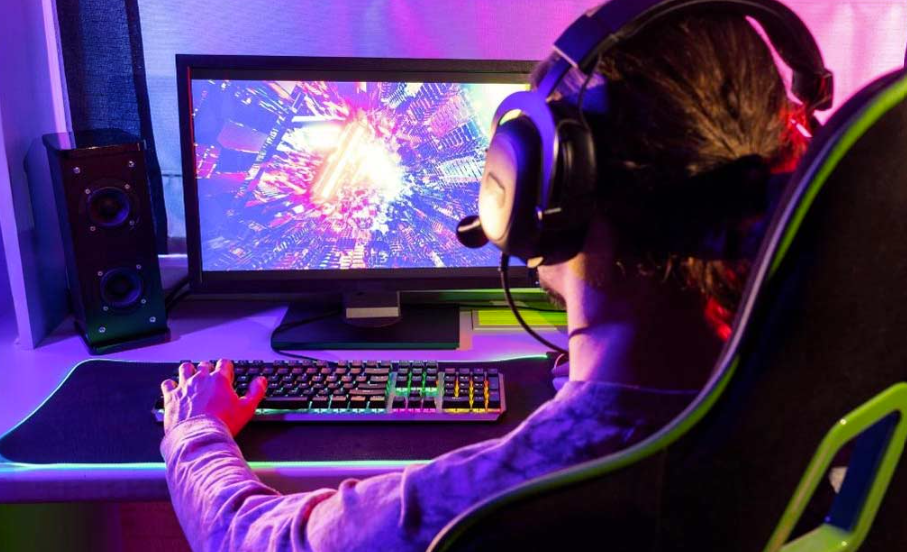
The gaming industry has become one of the most influential areas of modern technology. From advanced graphics and artificial intelligence to online communication and virtual environments, digital entertainment continues to introduce new ways for people to interact with computers. Gaming is no longer limited to playing a finished product. Many platforms now allow users to create content, customize experiences, build communities, and share their ideas with people around the world.
One platform that demonstrates this transformation is Roblox. It combines interactive entertainment with user-generated content, allowing creators to design their own experiences while players explore projects developed by other members of the community. Its technology represents an interesting example of how gaming platforms can become creative environments rather than simply places to play.
Understanding the technology behind Roblox also provides a broader look at the future of digital entertainment, including game development, online collaboration, virtual identity, and accessible creative tools.
The Evolution of Modern Gaming Platforms
Gaming technology has developed significantly since the early days of electronic entertainment. Older games generally featured simple graphics, limited controls, and relatively small environments. Players interacted with content created entirely by professional development teams.
Modern platforms offer a much wider range of possibilities. Powerful processors, advanced graphics engines, cloud computing, and faster internet connections allow developers to create detailed interactive worlds.
Another important development is user-generated content. Instead of depending only on professionally produced games, modern platforms allow ordinary users to build and publish their own digital experiences.
Roblox is an example of this approach because it provides tools that support creativity and community participation. Users can explore different experiences while creators develop environments, interactive objects, and gameplay systems.
This shift has changed the role of players. Many people now participate in both enjoying and creating digital entertainment.
See also: How CPAs Help Organizations Respond to Audit Findings
What Makes Roblox Different?
Roblox is an online platform where users can discover, play, and create interactive experiences. Its environment includes different types of digital activities, such as adventure experiences, simulations, social spaces, obstacle challenges, and creative projects.
One of its most recognizable features is its creator ecosystem. Users can develop their own environments using available development tools and share their work with the wider community.
This approach creates a constantly changing collection of experiences. Rather than offering only one fixed style of entertainment, the platform supports many creative directions.
Some creators focus on detailed virtual environments, while others develop interactive challenges or social experiences. This variety allows people with different interests to find content that suits them.
The platform also demonstrates how accessible development tools can encourage creativity. People who are interested in programming, design, animation, or digital storytelling can begin learning through practical projects.
Roblox Studio and the World of Game Development
One of the most important technologies associated with Roblox is Roblox Studio. It provides creators with tools for designing environments, arranging objects, developing interactive systems, and testing their projects.
A creator can begin with a simple environment and gradually introduce more complex features. These may include moving platforms, interactive characters, visual effects, sound, and custom interfaces.
The development process generally involves several stages:
- Planning: Decide what type of experience to create and identify its main features.
- Environment design: Build the virtual space using available objects and assets.
- Scripting: Add logic that controls interactions and gameplay behavior.
- Testing: Check that the experience works correctly on supported devices.
- Improvement: Fix problems and refine the design based on feedback.
- Publishing: Make the completed experience available to other users.
This process introduces beginners to important concepts in software development. It also demonstrates how creative ideas can become interactive digital products through technology.
Programming and Scripting in Roblox
Programming is an essential part of creating interactive experiences. In Roblox, creators can use Luau, a scripting language derived from Lua, to control different aspects of their projects.
Scripts can manage character movement, interactive objects, environmental changes, user interfaces, and many other functions.
For example, a developer could create a door that opens when a player approaches it. Another script might control a moving platform or display information when someone interacts with an object.
Learning scripting helps creators understand important programming concepts, including:
- Variables and data types.
- Functions and reusable instructions.
- Conditional statements.
- Loops and repeated actions.
- Events and user interactions.
- Data organization and debugging.
These concepts are useful beyond game development. They introduce logical thinking and problem-solving skills that can support future learning in software engineering and computer science.
Graphics Technology and Virtual Environments
Visual presentation has a major influence on the quality of a digital experience. Modern game development tools allow creators to build environments with detailed objects, lighting effects, textures, and animations.
On Roblox, creators can design many different visual styles. Some projects use colorful and simplified environments, while others aim for more realistic landscapes and detailed structures.
Lighting is particularly important because it influences the atmosphere of a virtual space. Bright lighting may create a cheerful environment, while darker visual settings can support mystery or exploration.
Textures also help make digital objects more recognizable. Developers can use different materials to represent wood, metal, stone, glass, and other surfaces.
Good visual design is not only about adding detail. It should also help users understand their surroundings and recognize important interactive elements.
Artificial Intelligence and Interactive Experiences
Artificial intelligence is becoming increasingly important in game development. It allows digital systems to respond to user actions and create more dynamic experiences.
In a virtual environment, AI can help control computer-generated characters, organize movement, and manage certain interactive behaviors. For example, a non-player character might follow a path, respond to nearby objects, or react to an event.
AI can also assist creators during development. Automated tools may help organize assets, identify technical issues, and support early design processes.
For platforms such as Roblox, intelligent development tools could make it easier for beginners to understand scripting concepts and build more complex projects.
However, AI-generated content should always be reviewed before publication. Developers need to consider accuracy, safety, performance, and the experience of the people using their projects.
Multiplayer Technology and Online Communities
Online connectivity has transformed gaming into a social activity. Players can communicate, collaborate, and explore shared environments even when they are physically located in different countries.
Roblox supports this type of interaction by allowing users to participate in compatible shared experiences. Depending on the project, they may work together, communicate through available features, or explore digital environments as a group.
Multiplayer systems depend on several technical components. Servers coordinate information between users, while network systems transmit player actions and updates.
A stable connection is important because delays can affect how smoothly an interactive environment responds.
Online communities also provide opportunities for creators to receive feedback. Players may suggest improvements, report technical problems, and share ideas for future updates.
Respectful communication and appropriate moderation help make these communities more welcoming and enjoyable.
Cross-Platform Gaming and Accessibility
One important feature of modern gaming technology is the ability to support different devices. Many users prefer computers, while others enjoy gaming through smartphones, tablets, or consoles.
Cross-platform development allows creators to make experiences available across compatible devices. However, developers must consider differences in screen size, processing power, and input methods.
For example, a keyboard and mouse provide different controls from a touchscreen. An experience designed for computers may need adjustments before it works comfortably on a mobile device.
Roblox demonstrates the importance of device compatibility by supporting access through multiple platforms, subject to availability and technical requirements.
Accessibility also involves clear interfaces, readable text, suitable controls, and thoughtful design. These features help more people participate in digital entertainment.
Digital Safety and Account Protection
Online gaming platforms require responsible account management. A user account may contain personal information, saved preferences, communication settings, and other digital details.
Protecting this information is important for both younger and older users.
When using Roblox, users should follow basic online security practices:
- Create a strong and unique password.
- Enable available account security features.
- Never share passwords or verification codes.
- Use official websites and applications.
- Be cautious when opening unfamiliar links.
- Review privacy and communication settings.
- Keep applications and devices updated.
Parents and guardians can also explore available family settings and account controls to help younger users enjoy age-appropriate experiences.
Digital safety is not only a technical responsibility. Users should also communicate respectfully and avoid sharing private information with strangers.
The Educational Value of Roblox
Gaming platforms can provide learning opportunities when users approach them creatively. Building an interactive experience requires planning, experimentation, and problem-solving.
A beginner who creates a simple obstacle course may learn about object placement, movement, collisions, and scripting. Someone developing a virtual classroom may explore interface design, spatial organization, and interactive communication.
Roblox can therefore introduce users to several areas of digital creativity:
Programming: Writing scripts to control objects and interactions.
Design: Building environments and arranging visual elements.
Animation: Creating movement for characters and objects.
Project management: Planning tasks and completing development stages.
Collaboration: Working with others and responding to feedback.
These activities can help develop technical confidence. They should not replace structured education, but they can provide an engaging starting point for learning about software and digital design.
The Future of Roblox and User-Generated Gaming
The future of gaming is likely to involve more advanced development tools, better graphics, artificial intelligence, and increasingly connected communities.
User-generated platforms may become even more flexible, allowing creators to build complex experiences with improved editing tools and easier collaboration.
Artificial intelligence could help developers test environments, organize content, and improve certain programming tasks. More advanced rendering systems may also allow creators to produce richer visual experiences.
Another important area is accessibility. Development tools that are easier to understand can encourage more people to participate, regardless of their previous programming experience.
As Roblox and similar platforms continue to evolve, the relationship between players and creators may become even closer. People will not only explore digital worlds but also contribute to the development of the environments they enjoy.
Conclusion
Modern gaming technology combines programming, graphics, artificial intelligence, online connectivity, and creative collaboration. Platforms such as Roblox demonstrate how these technologies can work together to create interactive environments where users can both enjoy and develop digital experiences.
Roblox Studio introduces creators to important development skills, while multiplayer features encourage communication and collaboration. Cross-platform support expands accessibility, and community tools provide opportunities to share ideas and improve projects.
The platform also highlights the educational potential of gaming. Through practical development activities, users can explore programming, design, problem-solving, and digital creativity.
Ultimately, the future of gaming will not be shaped by technology alone. Creative ideas, responsible development, online safety, and accessible tools will remain equally important in building meaningful digital experiences.